If you’re holding a small naltrexone tablet in your hand and wondering, “When am I supposed to take this so it actually helps my weight?”—you’re not alone.
Most people don’t start naltrexone from a totally calm place. There’s usually a mix of hope and fear: you’ve tried diets, maybe GLP‑1 meds are out of reach, and now a doctor has mentioned this older medication that might help with cravings. Then you go online and see people arguing: “Morning only!” “No, it has to be at night!” “Split your dose!” “Take it with Contrave!”
This article is for the person sitting in that confusion. We’ll walk through what research and clinicians say, what actual users describe on Reddit and forums, and how different timing strategies feel in real life. There’s no one “magic hour,” but there are patterns you can use to design a routine that fits your body, your hunger rhythm, and your day.
What Is Naltrexone, Really, and Why Are People Using It for Weight?
Naltrexone is an opioid receptor blocker that’s been used for decades to help with opioid and alcohol dependence. It doesn’t melt fat or replace food choices; instead, it interacts with the brain’s reward and craving systems.
For weight management, naltrexone is usually used in one of three ways:
- Standard-dose naltrexone (50 mg) – often prescribed for addiction, sometimes used off‑label in people who also struggle with emotional or binge eating.
- Low-dose naltrexone (LDN, ~1–4.5 mg) – used off‑label for chronic pain, autoimmune issues, and in some cases appetite and carb cravings; data for weight loss is limited but emerging.
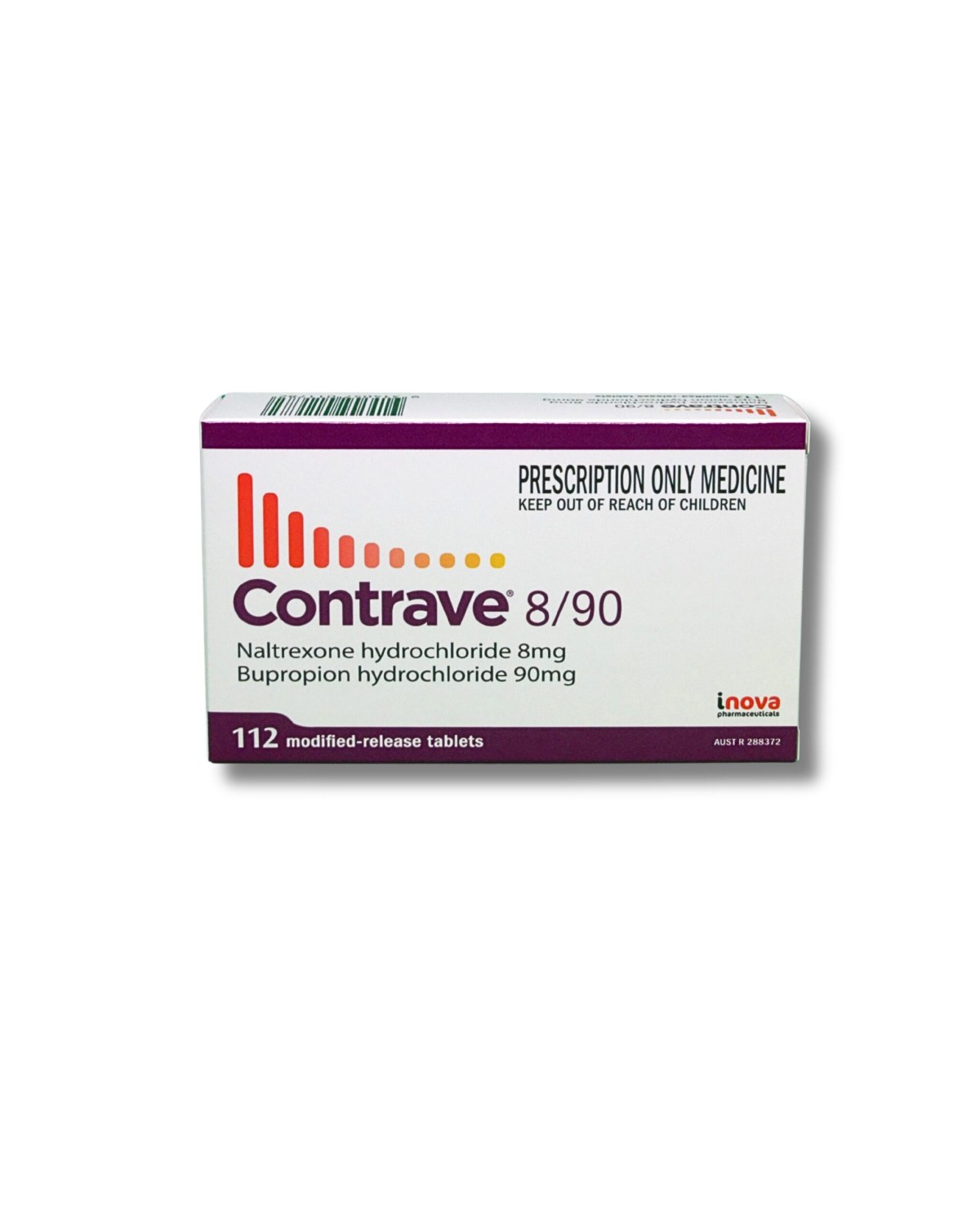
- In combination with bupropion (Contrave) – an FDA‑approved weight‑loss drug that combines naltrexone and bupropion in specific doses to target appetite and food reward.
Across these approaches, people often report:
- Reduced urge to binge or emotionally eat
- Less intense alcohol cravings (if that’s part of their story)
- Sometimes nausea, headache, or sleep changes—especially at the beginning
These effects don’t flip on and off like a light switch at 9 a.m. or 9 p.m., but timing can influence how tolerable the side effects feel and how well you stick with the medication.
How Timing Might Affect Naltrexone for Weight Loss
Before we get into morning vs night debates, it helps to understand how naltrexone behaves in your body.
- Onset: Naltrexone reaches peak levels in the blood roughly 1–2 hours after you swallow it.
- Duration: The half‑life is usually reported around 4 hours, but its binding to opioid receptors can last much longer—up to about a day for standard doses.
- Side effect window: Nausea, headache, and dizziness tend to appear during the first hours after a dose, especially in the first week or two.
For weight loss, the two big timing questions are:
- Can timing help match the drug’s strongest effect to your hungriest times?
- Can timing reduce side effects enough that you actually stay on it?
Different people answer these questions differently—and that’s where morning vs night strategies come in.
Morning vs Night: What Real Users and Clinicians Say
If you scroll through Reddit threads or weight‑loss forums, you’ll see a pattern:
- Some people do better with morning dosing, especially if daytime cravings are their main issue.
- Others prefer evening or bedtime dosing, mainly to sleep through side effects or target nighttime eating.
- A smaller group uses split doses (e.g., morning + late afternoon), especially with higher or Contrave‑like dosing.
Taking Naltrexone in the Morning
Who this might suit: People whose toughest eating window is late morning to late afternoon—the office snack drawer, lunchtime takeout, after‑school runs with kids.
Typical routine: Take naltrexone with breakfast or shortly after waking, often with food to reduce nausea.
Common experiences:
- Pros: Some feel less preoccupied with food during the day; mindless snacking drops; alcohol cravings after work may feel blunted.
- Cons: Others report daytime nausea or brain fog; a few feel emotionally “flat” or less enjoyment from food or social activities.
One user described it like this: “I realized it was 3 p.m. and I hadn’t raided the break room. I wasn’t forcing myself to say no; it just didn’t call to me the same way.” For another person, the same timing felt like being “slightly hungover at work,” so they switched to night dosing.
Taking Naltrexone in the Evening or at Bedtime
Who this might suit: People whose main problem is nighttime eating—bingeing in front of the TV, late‑night DoorDash, or “I’m fine all day, but I lose it after 8 p.m.”
Typical routine: Take the dose with dinner or 1–2 hours before your usual binge window; some take it right before bed to sleep through side effects.
Common experiences:
- Pros: May reduce late‑evening urges; easier to tolerate side effects if you sleep through the worst of them.
- Cons: A subset of users report vivid dreams, insomnia, or feeling wired if they take it too late.
On alcohol‑reduction forums, many people using the “Sinclair Method” (taking naltrexone before drinking) say that evening dosing gradually turned wine or beer from a “need” into a neutral choice. A similar shift sometimes happens with late‑night food: it just loses some of its emotional charge.
Split or Flexible Dosing (With Medical Guidance)
Some clinicians adjust timing based on individual patterns:
- Half dose in the morning, half in the late afternoon
- Gradually moving the dose earlier or later depending on sleep and side effects
- For Contrave: following the labeled titration schedule but slightly shifting dose times earlier in the day to avoid insomnia
This isn’t something to experiment with on your own at high doses, because naltrexone interacts with other medications and is unsafe for people actively using opioids. Any adjustment should be done with a prescribing clinician.
Quick Comparison: Morning vs Evening Naltrexone for Weight Loss
| Timing | Best For | Potential Benefits | Common Downsides |
|---|---|---|---|
| Morning (with breakfast) | Daytime grazers; people with work‑day cravings; early‑evening alcohol | Less snacking; fewer impulsive lunch choices; easier routine tie‑in | Daytime nausea or dull headache; emotional “flatness” in some people |
| Late afternoon / early evening | After‑work overeating; early‑night binges | Blunts transition from work to stress‑eating; may reduce happy‑hour drinking | Side effects during family time; possible sleep disturbance for some |
| Bedtime | Those most bothered by side effects; people with strong late‑night binges | Sleep through nausea or dizziness; might soften next‑day cravings | Vivid dreams, insomnia, or “wired” feeling in a subset of users |
| Split doses | People using higher total doses or Contrave‑style regimens | Can smooth out side effects; may better cover long craving windows | More complex schedule; requires clear guidance from a clinician |
Only change dosing schedules under medical supervision.
What Studies and Guidelines Suggest About Timing
Most clinical studies on naltrexone have focused on addiction treatment or on the combination naltrexone/bupropion (Contrave) for weight management. These studies generally emphasize daily consistency over a specific clock time.
- In weight‑loss trials for Contrave, doses are usually given twice daily, often with morning and evening meals, and gradually titrated up to reduce side effects.[FDA Label]
- Naltrexone alone at 50 mg is commonly prescribed as a once‑daily dose, and many clinicians suggest pairing it with a regular meal.
- Low‑dose naltrexone (LDN) is often taken at night in research on pain or autoimmune conditions, but some doctors move it to morning if sleep is affected.[PubMed]
In other words, the evidence base mostly tells us:
- Take it around the same time each day.
- Take with food if you get nausea.
- Shift morning vs evening depending on side effects and your main craving window.
We don’t yet have large head‑to‑head trials that compare “morning naltrexone” vs “night naltrexone” for weight specifically. A lot of the nuance comes from real‑world use and clinical experience rather than definitive timing rules.
Emotional and Sensory Changes People Notice
Naltrexone doesn’t feel like a typical diet pill; many people describe more of an emotional or cognitive shift than a physical jolt.
Common reflections include:
- Less “food noise” in the brain: food thoughts feel quieter, especially during the hours after a dose.
- Reduced reward from overeating: the extra slice of pizza doesn’t give the same comfort hit.
- Feeling a bit emotionally flattened: some people feel less joy overall, not just less urge to binge. This can be unsettling and is worth discussing with a clinician.
For timing, this emotional shift matters. If you feel emotionally muted right after your dose, you might prefer to:
- Take it after key social events (e.g., not right before a big celebratory dinner).
- Or take it before high‑risk windows (e.g., late‑night solo eating) where you want that emotional distance from food.

A Realistic 4‑Week Timing Experiment (With Your Doctor’s Okay)
Because there’s no universal best time, one practical approach is to treat the first month as a structured experiment. Always do this within the plan your clinician gives you; timing adjustments should fit within their dose and safety instructions.
Week 1: Start Low and Track
- Begin at the prescribed dose (often lower than the target) with your doctor’s preferred timing.
- Take notes on a simple log: time taken, nausea/sleep, hunger patterns, binge or drinking episodes.
- If nausea is intense, move the dose closer to a full meal (with medical approval).
Week 2: Adjust by Your Hungriest Window
- Look for patterns: are your hardest moments mid‑afternoon, after work, or late at night?
- Ask your clinician if you can shift the dose by 1–2 hours to better cover that window.
- Keep logging: notice whether your cravings feel weaker when the medication should be at or near its peak.
Week 3: Fine‑Tune for Sleep and Mood
- If you’re experiencing insomnia or vivid dreams after a night dose, discuss moving it earlier.
- If daytime emotional flattening is tough, ask whether a later‑day dose is reasonable.
- Review alcohol use if that’s relevant; timing may shift based on when you typically drink.
Week 4: Stabilize a Routine You Can Actually Keep
- By now, early side effects may ease for many people.
- Choose the dose time that gives you the best balance of:
- Manageable side effects
- Noticeable craving reduction
- Real‑world practicality (you won’t forget it every other day)
- Pair it with a cue: breakfast, brushing teeth, evening tea, or setting an alarm on your phone.
Common Problems People Run Into (and Gentle Workarounds)
I Feel Nauseous Every Time I Take It
Nausea is one of the most frequently mentioned side effects in early weeks.
- Take it with food, not on an empty stomach.
- Some people do better with a small, bland meal (toast, oatmeal, yogurt) rather than heavy or greasy food.
- If mornings feel awful, ask your clinician whether a later dose with your largest meal makes sense.
- Occasionally, a slower dose titration is considered; your clinician can advise.
It’s Messing with My Sleep
While some people are totally unaffected, others report vivid dreams or insomnia.
- Discuss moving your dose to earlier in the day (e.g., with lunch).
- Layer in sleep hygiene: dim lights, consistent bedtime, screen reduced before sleep.
- If sleep issues become severe, it’s important to talk to your prescriber promptly.
I Don’t Notice Much Weight Change Yet
Naltrexone isn’t a quick‑drop weight medication. Research on naltrexone/bupropion shows gradual weight loss over several months, and response varies widely.[PubMed] Many people notice behavioral shifts (less bingeing, fewer “out of control” nights) before the scale moves significantly.
Questions to gently check in with yourself:
- Are your episodes of overeating less intense or less frequent?
- Has your alcohol intake changed if that was part of the picture?
- Are you still giving the medication time while working on sleep, movement, and food patterns?
Is Naltrexone a Scam for Weight Loss? A Realistic Look at Results
Online, you’ll find “miracle” claims and angry complaints side by side. When you filter out the extremes, a more balanced picture appears:
- Some people: notice meaningful reductions in binge eating, emotional eating, and alcohol intake, and slowly lose weight over months.
- Others: feel little change in hunger, or side effects outweigh the benefits, and they stop.
- Many: experience subtle changes that only show up clearly when they look back at how often they used to binge or drink.
It’s not a scam, but it’s also not a guaranteed fix. It’s one tool in a larger toolbox that includes food, movement, therapy or coaching, stress support, and sometimes other medications.
Timing alone won’t turn it into a magic solution—but good timing can make the difference between “I quit after three days” and “I stuck with it long enough to see what it could do.”
Putting It All Together: How to Choose Your Best Time of Day
You can think of timing in three layers:
- Your risk window: When are you most likely to overeat or drink in ways that feel out of control?
- Your side effect sensitivity: When can you best tolerate nausea, fogginess, or sleep changes if they show up?
- Your daily anchors: Which mealtimes or routines are most consistent in your life?
A few example strategies (always to be confirmed with your clinician):
- Daytime grazer: Take with breakfast; if nausea is an issue early, try with lunch.
- After‑work overeater: Take mid‑afternoon (e.g., 3–4 p.m.) with a snack.
- Late‑night binger: Take with dinner or 1–2 hours before your usual binge time.
- Very sensitive to side effects: Start low and slow; consider earlier evening dosing with a substantial meal.
None of these are rules; they’re starting points to discuss with the person who prescribes your medication.
FAQ
Is it better to take naltrexone for weight loss with or without food?
Many people find that taking naltrexone with food reduces nausea and dizziness, especially in the first few weeks. If you tolerate it well, your clinician might not insist on a full meal, but pairing it with at least a snack is common. If you notice more stomach upset on an empty stomach, shifting your dose to a meal you rarely skip—like breakfast or dinner—may help you stay consistent.
What if I forget a dose—should I double up later in the day?
Most prescribers recommend not doubling up. If you realize it fairly soon after your usual time, you may still take it (as long as it doesn’t disrupt sleep), but if it’s close to your next scheduled dose, it’s usually safer to skip and resume as normal. Because naltrexone has lasting receptor effects, missing the occasional dose doesn’t usually erase all progress, but doubling can increase side effect risk. Confirm a specific plan with your clinician.
Can I change from morning to night dosing on my own?
Small shifts (1–2 hours earlier or later) are often tolerated, but any major change—like moving a 50 mg dose from early morning to late night—should be run by your prescriber. They know your other medications, liver health, and any alcohol or opioid use. A quick message or visit is worth it to avoid interactions or unnecessary side effects.
Does low-dose naltrexone (LDN) need a different timing strategy?
LDN is often given at night in research on pain and autoimmunity, but timing for weight‑related use is less established. Some people sleep better with bedtime dosing, while others get vivid dreams and prefer morning. Because LDN works a bit differently from full‑dose naltrexone, your prescriber may suggest a specific timing—follow their plan and share any sleep or mood changes so they can adjust it.
How long should I try a particular timing before deciding it’s not working?
It can take a couple of weeks for side effects to settle and for you to see patterns in cravings and eating behavior. If timing feels clearly wrong—like intense insomnia after a night dose—talk to your clinician sooner rather than later. Otherwise, giving each timing strategy about 2 weeks while tracking your experience often provides enough data to decide whether to keep or adjust.

References
- U.S. FDA. CONTRAVE (naltrexone HCl and bupropion HCl) prescribing information.
- Greenway FL et al. Naltrexone/bupropion for obesity: phase 3 clinical trial results. Obesity (Silver Spring). 2010–2014.
- Younger J et al. Low-dose naltrexone for chronic pain: Update and mechanisms.
- SAMHSA. Naltrexone: Uses and safety considerations.
- O’Malley SS et al. Naltrexone in the treatment of alcohol dependence and impact on weight.