If you’ve ever stared at your bloated stomach in the mirror at night and thought, “What if I just drank smoothies for a week?”, you’re not alone.
On TikTok and Reddit, 7-day smoothie weight loss diet plans look deceptively simple: bright green drinks, quick before-and-after photos, and people claiming they dropped 10 pounds in a week. But behind every aesthetic glass jar there’s a real person with headaches, cravings, tiny wins, and moments of doubt.
This guide is for you if you’re curious but cautious. You want to reset your eating, maybe see the scale move a little, but you don’t want to wreck your metabolism or white-knuckle your way through seven miserable days. Here, we’ll walk through a realistic 7-day smoothie weight loss diet plan, how it may affect your body and mood, when it makes sense to try it, and when you might be better off adjusting the rules.
Nothing here is a promise or a cure. Instead, think of this as a companion-style roadmap: balanced recipes, real-world expectations, and gentle guardrails so your week with smoothies feels more like self-care than punishment.
What Is a 7-Day Smoothie Weight Loss Diet Plan, Really?
A 7-day smoothie weight loss diet plan is a short-term eating pattern where smoothies become your main meals for a week. People usually use it to:
- Reduce calorie intake for quick, short-term weight loss
- Increase fruit and vegetable consumption
- “Reset” habits after a period of overeating or travel
- Experiment with a more plant-heavy way of eating
In real life, most plans fall along a spectrum:
- Strict smoothie-only plans: 3–4 smoothies a day; no solid food. This may lead to faster weight changes but often comes with more hunger, fatigue, and rebound eating.
- Smoothie-focused but flexible plans: 2 smoothies + 1 light whole-food meal + snacks (like nuts or yogurt). This tends to be more sustainable for beginners.
For safety and sanity, the plan below uses the flexible version: smoothies do the heavy lifting, but you still chew real food.
Common Smoothie Goals & LSI-Style Themes
When people search for a 7-day smoothie weight loss diet plan, they often also explore:
- “7 day green smoothie diet”
- “smoothie cleanse for beginners”
- “detox smoothie plan”
- “meal replacement smoothies”
- “smoothie recipes to lose belly fat”
- “smoothie diet before and after”
- “is the smoothie diet safe or a scam”
Underneath the keywords is usually the same core wish: to feel lighter, more in control, and a bit more at peace with your body, without needing a complicated program.
The Smoothie Knowledge Map: What Goes in Your Glass (and Why)
Great smoothie plans aren’t just fruit + water. To feel full and avoid blood sugar roller coasters, you need a balanced structure:
Core Building Blocks of a Weight-Loss-Friendly Smoothie
- Liquid base: water, unsweetened almond milk, oat milk, or coconut water (for light sweetness)
- Fiber-rich fruits: berries, apple, pear, banana (in moderation), mango (small portions)
- Non-starchy vegetables: spinach, kale, cucumber, celery, zucchini, cauliflower rice
- Protein source: Greek yogurt, protein powder, silken tofu, cottage cheese
- Healthy fats: peanut or almond butter, chia seeds, flaxseeds, avocado, hemp seeds
- Boosters (optional): ginger, cinnamon, matcha, cocoa powder, oats, psyllium husk

Typical Use Cases Across a Day
- Morning smoothie: Higher protein + fiber to stabilize energy (e.g., berries, Greek yogurt, spinach, chia).
- Lunch smoothie: Volume + veggies to keep you full (e.g., cucumber, kale, apple, protein powder).
- Afternoon snack smoothie: Lighter, maybe with greens and a little fruit.
- Evening smoothie: Optional; many people choose a solid, light dinner instead to help with satisfaction.
Who Might Benefit (and Who Should Be Careful)
A 7-day smoothie plan may be helpful if you:
- want a short reset to cut back on ultra-processed foods
- struggle to eat enough fruits and vegetables
- like the idea of simple decisions (less cooking, fewer dishes)
- are comfortable with a temporary, not forever, plan
But it may not be appropriate if you:
- have diabetes or blood sugar issues (liquid carbs can spike glucose for some people)
- have a history of eating disorders or disordered eating
- are pregnant, breastfeeding, or recovering from surgery
- are on medications that require solid food or consistent intake
In those cases, a doctor or dietitian’s input can be important. Many professionals caution that very low-calorie or liquid-only plans may backfire, so using smoothies as part of your diet rather than the entire thing is often a gentler approach.
A Realistic 7-Day Smoothie Weight Loss Diet Plan (Balanced Version)
This sample plan is designed to hover around a modest calorie deficit for many adults, depending on portion size. Consider it a template, not a strict rulebook. Adjust for your own energy needs, allergies, and medical conditions.
Daily rhythm (Days 1–7):
- Breakfast: smoothie
- Lunch: smoothie
- Afternoon: optional light snack (fruit, nuts, or veggie sticks)
- Dinner: simple whole-food meal (protein + veggies + a bit of whole grain or healthy fat)
Day 1 – Gentle Start & Getting Used to Liquids
Breakfast: Berry Protein Kickstart
- 1 cup unsweetened almond milk
- 1/2 frozen banana
- 1/2 cup mixed berries
- 1 scoop protein powder (whey or plant)
- 1 tbsp chia seeds
- Handful of spinach
Lunch: Green Glow Smoothie
- 1 cup water or coconut water
- 1/2 apple
- 1/2 cucumber
- 1 cup kale or spinach
- 1 tbsp ground flaxseed
- Juice of 1/2 lemon
Snack idea: 10–15 almonds or a small apple.
Dinner: Baked chicken or tofu, roasted vegetables, and a small serving of quinoa or brown rice.
Emotionally, Day 1 often feels hopeful but slightly weird: you may miss crunch and feel surprisingly full from the fiber and liquid volume.
Day 2 – First Signs of Cravings
Breakfast: Peanut Butter Banana Smoothie
- 1 cup unsweetened oat milk
- 1 small banana
- 1–2 tbsp peanut butter
- 1 scoop protein powder
- Ice cubes
Lunch: Citrus Green Refresher
- 1 cup water
- 1 orange, peeled
- 1/2 cup pineapple
- 1 cup spinach
- 1 tbsp hemp seeds
Snack: Carrot sticks with 2 tbsp hummus.
Dinner: Stir-fried vegetables with shrimp, tempeh, or chickpeas; small portion of brown rice or cauliflower rice.
Many people report subtle headaches or coffee cravings around Day 2 if they’ve changed caffeine or sugar intake. Hydration and adding a pinch of salt to meals may help.
Day 3 – The “Is This Worth It?” Phase
Breakfast: Chocolate Berry Smoothie
- 1 cup unsweetened almond milk
- 1/2 cup frozen berries
- 1 scoop chocolate protein powder or 1 tbsp cocoa powder
- 1 tbsp ground flaxseed
- Handful of spinach
Lunch: Creamy Avocado Green Smoothie
- 1 cup water
- 1/2 avocado
- 1/2 green apple
- 1 cup kale
- Juice of 1/2 lime
Snack: Greek yogurt (plain) with a few berries.
Dinner: Grilled fish or lentils with large salad (olive oil + lemon dressing).
This is often the hardest mental day. You may feel impatient: the novelty has worn off, but you haven’t seen dramatic changes yet. Some people notice less bloating and slightly flatter stomachs, which can be motivating.
Day 4 – Subtle Energy Shifts
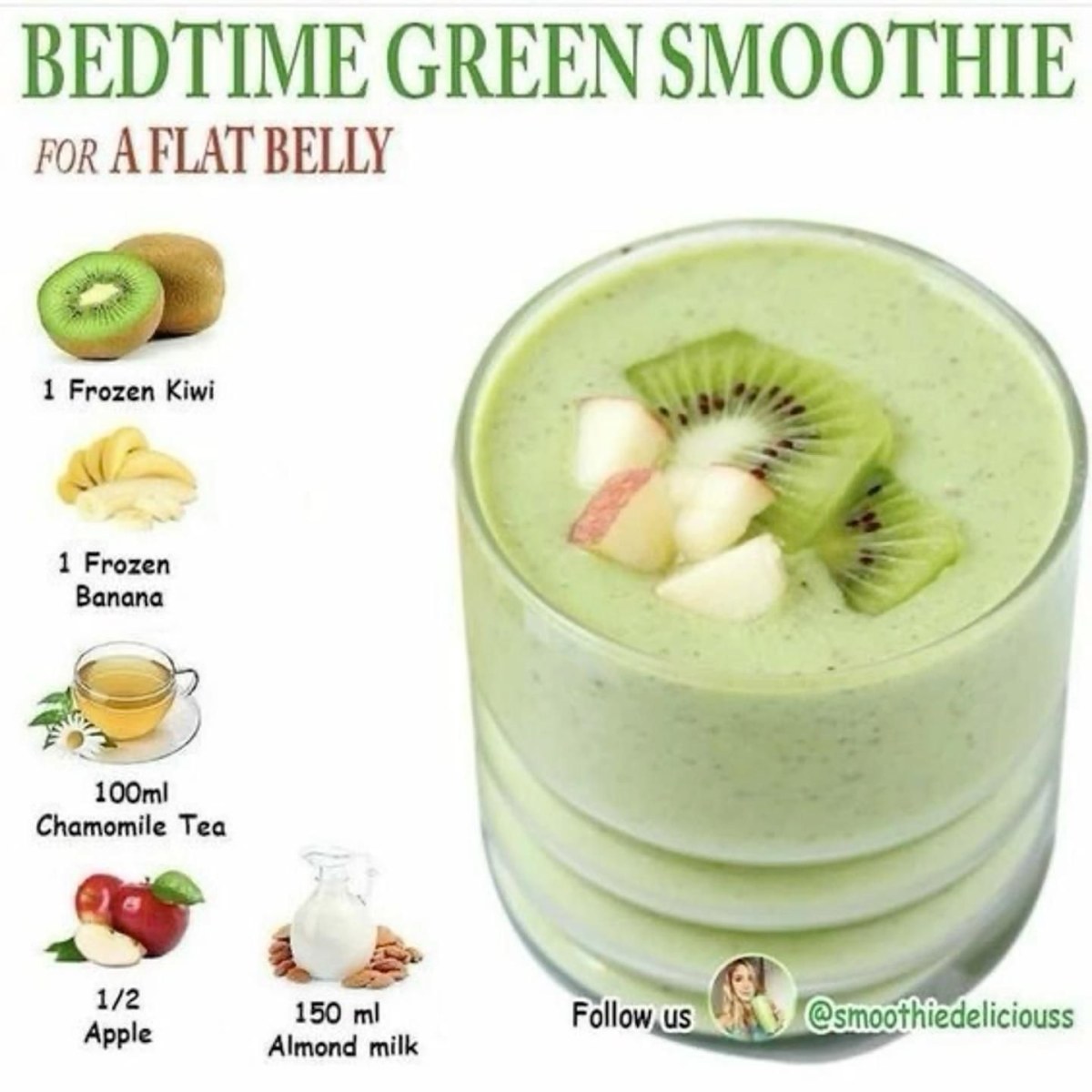
Breakfast: Apple Cinnamon Oat Smoothie
- 1 cup unsweetened almond milk
- 1/2 apple
- 1/4 cup rolled oats
- 1 scoop protein powder
- 1/2 tsp cinnamon
Lunch: Hydrating Green Cucumber Smoothie
- 1 cup water
- 1/2 cucumber
- 1/2 pear
- 1 cup spinach
- 1 tbsp chia seeds
Snack: A handful of grapes or an orange.
Dinner: Turkey or bean chili with extra vegetables (light on oil).
By Day 4, some people describe feeling unexpectedly clear-headed or lighter, especially if they previously ate a lot of salty, heavy foods. Others still feel hungry, especially at night. Adjusting smoothie volume and protein can help.
Day 5 – Settling Into the Routine
Breakfast: Tropical Protein Smoothie
- 1 cup coconut water
- 1/2 cup mango
- 1/2 banana
- 1 scoop protein powder
- Handful of spinach
Lunch: Spicy Ginger Green Smoothie
- 1 cup water
- 1/2 green apple
- 1/2 cucumber
- 1 cup kale
- Small piece of ginger
- 1 tbsp ground flaxseed
Snack: 10–15 nuts or a boiled egg.
Dinner: Sheet pan roasted vegetables with salmon, tofu, or chicken.
Emotionally, Day 5 often feels more stable. You’ve survived the wobbly middle, and small non-scale wins appear: better digestion for some, fewer afternoon crashes, or simply pride in sticking with something for five days.
Day 6 – Being Honest About What’s Working
Breakfast: Berry Green Blend
- 1 cup water or almond milk
- 1/2 cup mixed berries
- 1 small banana
- 1 cup spinach
- 1 tbsp chia seeds
Lunch: Savory-Inspired Smoothie (Optional)
- 1 cup vegetable broth (cooled)
- 1/2 tomato
- 1/2 cucumber
- Handful spinach
- Herbs like basil or parsley
Snack: Sliced bell peppers with hummus.
Dinner: Zucchini noodles or whole grain pasta with a veggie-heavy sauce and protein.
Day 6 is a good time to check in: Are you constantly starving? Lightheaded? Or just mildly hungry before meals? Your answers may tell you whether this style of eating fits your lifestyle beyond the 7 days.
Day 7 – Transition Day, Not “Last Day of Suffering”
Breakfast: Favorite Smoothie from the Week
Pick the one you liked most and repeat it.
Lunch: Green + Protein Combo
- 1 cup water
- 1 cup leafy greens
- 1/2 cup fruit of choice
- 1 scoop protein powder or 1/2 cup Greek yogurt
- 1 tbsp seeds (chia, flax, or hemp)
Snack: Fruit + a protein (e.g., apple + string cheese).
Dinner: A balanced plate you enjoy: protein, colorful veggies, and a moderate portion of carbs or healthy fats.
Instead of “celebrating” with a huge binge, treat Day 7 as a bridge to real life. Think about what parts of the smoothie routine you want to keep (maybe breakfast smoothies on weekdays, for example).
How Does a 7-Day Smoothie Plan Compare to Other Diets?
| Plan Type | What You Eat | Pros | Cons |
|---|---|---|---|
| 7-Day Smoothie Plan (Balanced) | 2 smoothies + 1 whole-food meal daily | Simple, high in plants, easier meal prep | Less chewing, may feel restrictive for some |
| Strict Juice Cleanse | Fruit/veg juices only | Very easy to follow, high micronutrients | Low protein, often high sugar, more fatigue |
| Standard Calorie Deficit Diet | All foods, smaller portions | Flexible, sustainable long-term | Requires tracking and more planning |
| High-Protein Weight Loss Plan | Emphasis on meat, dairy, legumes | High satiety, preserves muscle | Can be low in fiber if not planned |
A smoothie-based week sits somewhere between a cleanse and a standard calorie deficit. It may feel more approachable than counting every calorie, but still structured enough to see short-term changes.
The Real Experience: Before & After, Without the Hype
What People Often Notice During the 7 Days
From scattered Reddit threads and TikTok diaries, common experiences include:
- First 2–3 days: Hunger spikes, cravings for salty or crunchy foods, possible mild headaches.
- Days 3–5: Less bloating for some, more frequent bathroom trips (thanks to fiber), slightly lighter feeling.
- Days 5–7: Some people describe steadier energy and better sleep; others just feel bored of smoothies.
On the scale, weight changes vary. Some people report 2–5 pounds lost in a week, but a portion of that may be water, reduced gut content, or lower carb intake, not just fat. Dramatic claims like “lost 10 kg in 7 days” are usually either extreme, unsustainable, or leave out important context.
After the Plan: What Happens Next?
The “after” is where things get real:
- If you return to heavy takeout and overeating, weight may creep back quickly.
- If you keep some smoothie habits (like a veggie-packed breakfast smoothie) and slightly lighter dinners, you may maintain part of the loss.
- If you felt deprived all week, you may rebound with overeating, which can cancel out progress.
Instead of judging success only by the photo, pay attention to internal markers: how your digestion feels, how your clothes fit, how your energy fluctuates, and what you learned about your appetite.
Common Problems (and How to Adjust)
1. Constant Hunger and Cravings
Possible tweaks:
- Add more protein (another half scoop of protein powder or more Greek yogurt).
- Increase fat slightly (extra 1 tsp nut butter or seeds) for better satiety.
- Use ice and more veggies for volume so the smoothie feels bigger.
2. Bloating or Digestive Changes
More fiber than usual can cause gas or bloating at first.
Possible tweaks:
- Reduce cruciferous veggies (kale, broccoli) and use spinach or zucchini instead.
- Drink smoothies more slowly; chewing a bit helps digestion.
- Make sure you’re drinking enough plain water throughout the day.
3. Low Energy or Lightheadedness
This may be a sign that your calorie intake is too low for your needs.
- Add a small whole-food snack (like toast with avocado or a piece of fruit + nuts).
- Check caffeine changes; withdrawing from coffee can exaggerate fatigue.
- If symptoms are intense or persistent, it’s wise to stop the plan and seek medical advice.

How to Make the 7 Days Feel Kinder (Not Punishing)
- Plan textures and flavors: Mix creamy, fruity, and green smoothies so you don’t burn out.
- Use a real glass or jar: Presentation matters more than we admit; it can shift your mood around the meal.
- Schedule movement gently: Walks, light yoga, or stretching may feel better than intense workouts while you’re in a mild deficit.
- Journal a few lines daily: Note hunger, energy, emotions. This can prevent “all-or-nothing” thinking and help you learn what works.
Frequently Asked Questions
Can I drink coffee during a 7-day smoothie weight loss diet plan?
Yes, many people keep coffee or tea in their routine. Having black coffee or coffee with a small amount of milk is common. If you’re used to sugary coffee drinks, cutting the sugar may cause withdrawal-like headaches for a couple of days. If you feel shaky or anxious, consider reducing caffeine slightly instead of quitting cold turkey.
What if I don’t lose any weight after 7 days?
It can be frustrating, but it does happen. Possibilities include: your portions were larger than you realized, your body was holding onto water (especially if you’re stressed or close to your period), or you were closer to maintenance calories than a deficit. In that case, focus on non-scale changes (bloating, energy, digestion) and use what you learned to adjust your everyday eating rather than repeating stricter weeks.
Is a 7-day smoothie diet plan safe to repeat every month?
For many generally healthy adults, a balanced smoothie-focused week a few times a year may be reasonable, especially if you’re still eating at least one solid meal daily. Doing very low-calorie or liquid-heavy weeks repeatedly, however, may affect hormones, mood, or muscle mass over time. Getting personalized advice from a healthcare professional is wise if you’re considering frequent cycles.
Can I do the plan if I need to cook for my family?
Yes, but the emotional challenge is real. Some people blend their smoothie first and sip it while cooking so they’re less tempted to snack. You can also align your dinner with the family’s meal: for example, you have a larger portion of veggies and protein, while they may have more pasta or bread. The goal is to avoid feeling like you’re on an entirely separate planet food-wise.
What if I feel obsessed with food or guilty during the plan?
Feeling more preoccupied with food on any diet is common, but intense guilt or obsession is a sign to be gentle with yourself. Taking a step back, loosening the rules (e.g., adding an extra snack or swapping a smoothie for a balanced solid meal), or stopping the plan is allowed. Your mental relationship with food is as important as any physical change.
How to Transition After Day 7 Without Rebound
When the week ends, the next few days matter more than you think. Some ideas:
- Keep one smoothie meal (often breakfast) on most days.
- Build your regular meals around the same pattern: protein + vegetables + a moderate carb or fat.
- Reintroduce more solid foods gradually instead of jumping straight to heavy, rich meals.
- Reflect on which cravings faded and which remained; they might reveal stress or emotional triggers rather than just hunger.

Key Takeaways
- A 7-day smoothie weight loss diet plan can be a short-term reset, not a magic fix.
- Using smoothies as part of your intake (not the whole thing) may feel more sustainable and kinder to your body.
- Real results are usually modest: some weight loss, often less bloating, and a clearer sense of your habits.
- Your emotional experience—hunger, cravings, pride, boredom—is just as important as the number on the scale.
- The real win is using these 7 days to build skills you can actually live with: enjoying plants, leaning on simple recipes, and listening to your body a little more closely.
If you decide to try this, treat it as an experiment instead of a final exam. Notice how your body and mind respond, adjust as you go, and remember: the goal isn’t to survive seven days—it’s to find tiny changes you’d be willing to keep long after the blender is back in the cabinet.