If you’ve ever scrolled late at night searching for a “7 day protein diet plan for weight loss”, you probably know the mix of hope and doubt that comes with it.
On one side, everyone seems to say the same thing: “Just eat more protein, cut some carbs, and the fat will melt away.” On the other, you may remember all the times you tried a new plan, felt dizzy by day three, or got bored after eating chicken breast for the fourth meal in a row.
This guide is different. It’s not just a list of foods. It’s written to feel like having a calm, honest friend walk you through a single week: what to eat, what to drink, what might feel surprisingly easy, and what might quietly suck—and how to handle it without giving up.
We’ll build a realistic 7‑day high‑protein structure that may support weight loss, preserve muscle, and keep you reasonably full. No miracle promises, no shock transformations. Just a grounded plan, actual portions, and room for coffee, cravings, and real life.
Why a 7‑Day High‑Protein Diet May Help With Weight Loss
Before we map out the week, it helps to understand why so many people talk about protein for weight management.
- Protein may increase satiety: Many people notice they feel fuller for longer with a higher‑protein meal compared with a high‑carb or high‑fat one. This can naturally reduce snacking and overeating.
- It helps protect muscle: When you eat in a calorie deficit, your body may break down both fat and muscle. Adequate protein plus light resistance exercise can help preserve lean mass, which is important for strength and metabolic health.
- Slightly higher calorie burn from digestion: Protein has a higher “thermic effect” than carbs or fats, meaning your body uses a bit more energy to digest it. It’s not magic, but it may add up over time.
- Steadier energy for some people: Compared with high sugar meals, protein‑rich meals may help smooth out blood sugar swings, which can reduce energy crashes and intense cravings.
But high‑protein eating can also feel restrictive if it’s poorly designed. A good 7‑day plan needs fiber, color, hydration, and flexibility—not just grilled chicken and egg whites.
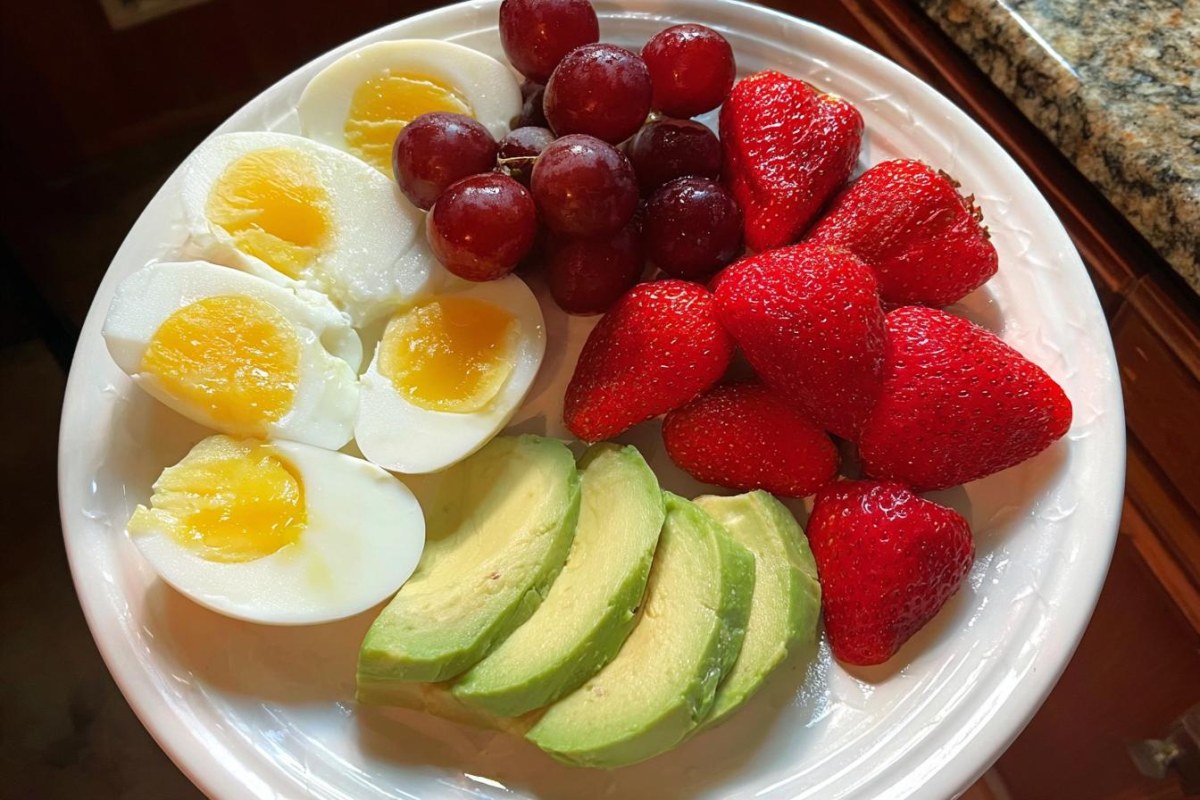
How to Use This 7‑Day Plan (and Keep It Human)
Think of this plan as a framework, not a strict script. Here’s how to approach it:
- Adjust portions to your body: A 55 kg office worker and a 95 kg gym‑goer will not need the exact same plate. The meal ideas stay, but you can scale amounts.
- Listen to your signals: Slight hunger before meals is normal in a deficit; intense dizziness, nausea, or weakness is not. If that happens, eat more and, if needed, speak with a professional.
- Plan your drinks as part of the structure: Drinks are not just “extra”. Protein shakes, coffee, tea, and flavored water are part of the workflow of your day—for energy, satiety, and comfort.
- Expect emotional waves: Day 1 often feels motivated. Day 3 and 4 may feel grumpy or doubtful. By day 6, many people feel oddly proud. That swing is normal.
The Protein‑Centered Drink “Mini Knowledge Graph”
Most people focus on solid food, but your drink choices can quietly decide whether this week feels sustainable.
Main Types of Drinks in a 7‑Day Protein Diet Plan
- Protein shakes
- Whey protein: Quick absorption, often used after workouts. May not be ideal for people with lactose issues.
- Casein: Slower digestion; some people like it at night for longer satiety.
- Plant-based (pea, soy, rice blends): Useful for vegans or those with dairy sensitivities.
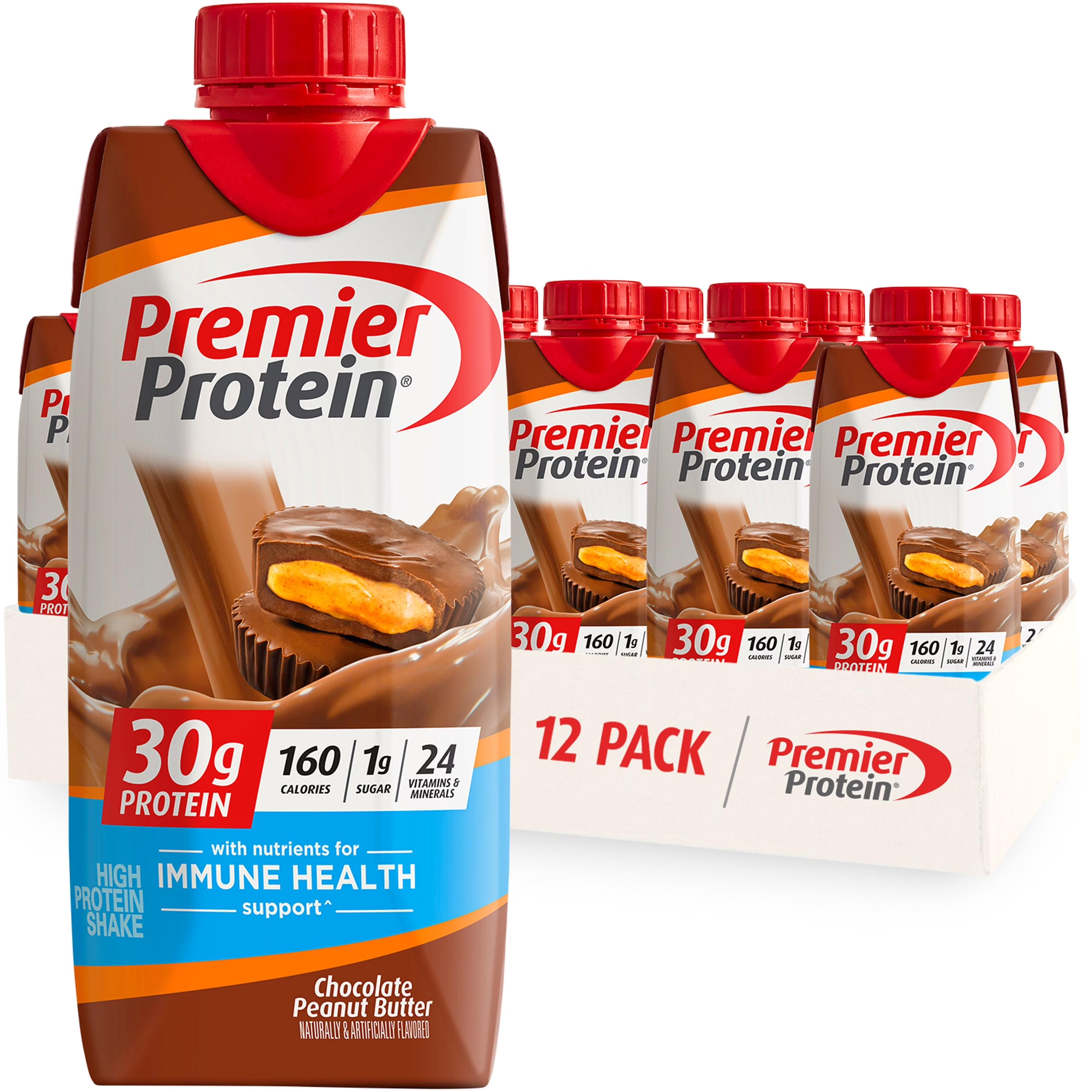
- Ready-to-drink (RTD) shakes: Convenient; check labels for sugar and additives.
- Low‑calorie hydration
- Plain water, sparkling water, infused water with lemon, cucumber, or berries.
- Unsweetened herbal tea, green tea, or black tea.
- Caffeine sources
- Black coffee or coffee with a small amount of milk/plant milk.
- Some people use sugar‑free energy drinks; these can fit, but pay attention to caffeine and how your body reacts.
- Functional drinks (optional)
- Electrolyte drinks with low or no sugar, especially if you sweat a lot.
- Broth or miso soup at night for warmth, salt, and comfort.
Typical Use Scenarios During the Week
- Morning: Coffee + water + optional small protein shake if you’re not hungry for a full breakfast yet.
- Mid‑morning / Afternoon: Protein shake as a bridge between meals, especially on busy workdays.
- Pre‑ or post‑workout: Protein shake or high‑protein smoothie for recovery.
- Evening: Herbal tea, warm milk, or casein shake if you struggle with late‑night hunger.
Core LSI Themes Around a 7‑Day Protein Diet Plan
To give you a fuller picture, here are related ideas people often search for and ask about, which this guide weaves in:
- high protein meal plan for weight loss
- 7 day high protein low carb diet
- protein rich Indian / vegetarian diet plan
- protein shakes for weight loss
- how much protein per day for fat loss
- simple high protein recipes
- high protein breakfast for weight loss
- high protein snacks on the go
- beginner friendly meal prep
- realistic before and after expectations
7‑Day Protein Diet Plan for Weight Loss (Flexible Template)
This plan assumes roughly 1.6–2.0 g of protein per kg of body weight for many active people, which research often uses when studying fat loss with muscle retention. That said, individual needs vary; if you have kidney disease, are pregnant, or have other health conditions, speak with a professional before trying a higher‑protein intake.
Use this as a starting template and adjust portion sizes and ingredients for your culture, budget, and preferences.
Daily Structure (Simplified)
- Breakfast: 25–35 g protein
- Snack 1 (optional): 10–20 g protein
- Lunch: 30–40 g protein
- Snack 2: 10–20 g protein
- Dinner: 30–40 g protein
Day 1 – The Motivated Start
- Breakfast: Greek yogurt bowl (1 cup Greek yogurt, a handful of berries, 1–2 tbsp nuts or seeds, a drizzle of honey if needed)
- Snack: 1 small apple + 1–2 tbsp peanut butter
- Lunch: Grilled chicken salad (120–150 g chicken breast, mixed greens, tomatoes, cucumber, olive oil & lemon dressing)
- Snack: Protein shake (1 scoop whey or plant protein blended with water or unsweetened almond milk)
- Dinner: Baked salmon (120–150 g) with roasted broccoli and a small portion of quinoa or brown rice
Day 2 – The First Reality Check
- Breakfast: 2 whole eggs + 2 egg whites scrambled with spinach and mushrooms, 1 slice whole‑grain toast
- Snack: Cottage cheese (or high‑protein yogurt) with sliced cucumber or cherry tomatoes
- Lunch: Turkey or tofu lettuce wraps with veggies and a light sauce (e.g., soy sauce + lime)
- Snack: Handful of roasted chickpeas or a small protein bar (check sugar & ingredients)
- Dinner: Stir‑fried tofu or lean beef with mixed vegetables over cauliflower rice or a small amount of jasmine rice
Day 3 – The Craving Day
- Breakfast: Protein smoothie (1 scoop protein powder, 1/2 banana, handful of berries, 1 tbsp nut butter, water or milk)
- Snack: 1 boiled egg + a few whole‑grain crackers
- Lunch: Lentil or bean‑based soup with a side of grilled chicken or tempeh
- Snack: Skyr or high‑protein yogurt + a few dark chocolate chips if you’re craving sweets
- Dinner: Grilled fish tacos (corn tortillas, white fish, cabbage slaw, yogurt‑based sauce)
Day 4 – The Tired-but-Continuing Day
- Breakfast: Overnight oats made with Greek yogurt and chia seeds, topped with berries (higher protein version)
- Snack: Protein shake or ready‑to‑drink protein beverage
- Lunch: Quinoa salad with black beans, corn, diced peppers, and a portion of grilled shrimp or tofu
- Snack: Edamame (steamed soybeans with a pinch of salt)
- Dinner: Roast chicken thigh (skin trimmed if you prefer lower fat) with green beans and a side salad
Day 5 – The “I Can Actually Do This” Day
- Breakfast: High‑protein pancakes (using oats, eggs, and a scoop of protein powder), topped with a small amount of fruit
- Snack: Handful of nuts + a small mandarin or kiwi
- Lunch: Tuna or chickpea salad on whole‑grain toast or stuffed in a whole‑grain pita
- Snack: Greek yogurt with cinnamon and a teaspoon of honey
- Dinner: Turkey meatballs or lentil “meatballs” with tomato sauce over zucchini noodles or a small serving of whole‑grain pasta
Day 6 – The Subtle Confidence Day
- Breakfast: Scrambled eggs with smoked salmon or smoked tofu, plus sautéed tomatoes
- Snack: Protein shake + a few baby carrots or bell pepper slices
- Lunch: Burrito bowl with lean meat or beans, lettuce, salsa, a small portion of rice, and a bit of cheese
- Snack: Cottage cheese with pineapple or a savory herb seasoning
- Dinner: Baked cod or paneer with roasted mixed vegetables (carrots, zucchini, peppers)
Day 7 – The Reflection Day
- Breakfast: Choose your favorite of the week and repeat (consistency can be comforting)
- Snack: Handful of nuts or seeds + herbal tea
- Lunch: Leftovers turned into a big salad or bowl (mix any remaining protein, veggies, and grains)
- Snack: Protein smoothie or yogurt bowl depending on your mood
- Dinner: Lighter but protein‑focused: vegetable soup plus a side of grilled chicken, tofu, or tempeh
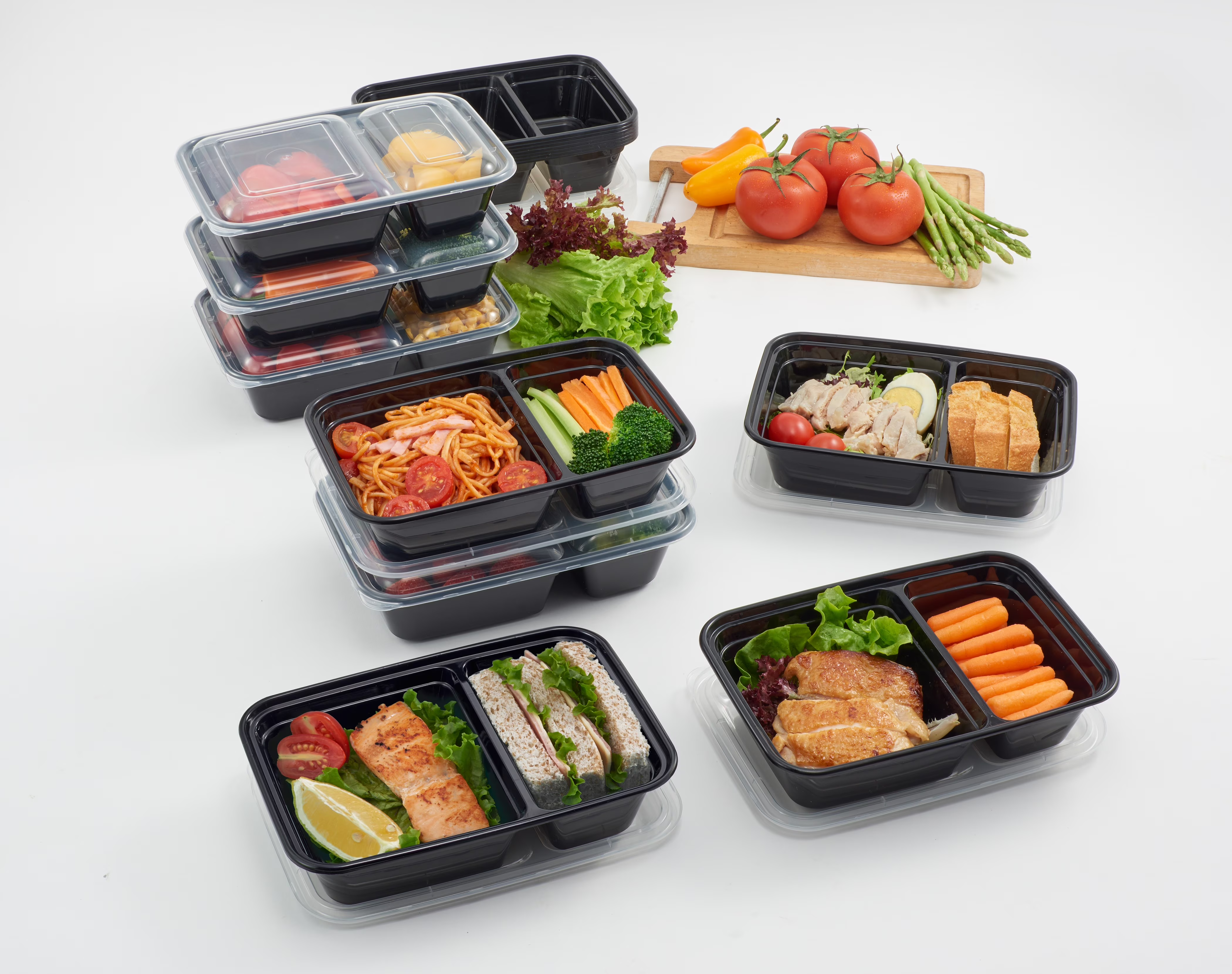
What This Plan Feels Like: Realistic Emotional & Physical Changes
Days 1–2: Hopeful but a Little Nervous
Many people report a kind of excited discipline in the first 48 hours. You may feel:
- Mentally: Motivated, slightly obsessed with doing it “perfectly”.
- Physically: Quite full after meals because protein is more filling; some light bloating if your fiber intake suddenly increased.
Days 3–4: The Doubt Phase
This is where Reddit threads and TikTok comments often start sounding familiar: cravings, irritability, and “Is this even working?” thoughts.
- Mentally: You may question if the effort is worth it; boredom with repeated flavors can set in.
- Physically: Slightly lower energy if your total calories dropped a lot; higher thirst from increased protein.
Helpful shift: Instead of asking “Have I lost weight yet?”, ask “Did I keep my structure today?” Consistency is the main job in week one.
Days 5–7: Subtle Payoff
Not everyone sees visible changes in a single week, but some common experiences include:
- Clothes feeling a little less tight around the waist.
- Less intense mid‑afternoon crashes.
- A small but real sense of self‑trust: “I can stick to something for a week.”
This emotional shift is often more valuable than whatever the scale shows after seven days.
Comparing a 7‑Day Protein Plan vs. Other Common Diet Approaches
| Approach | What It Focuses On | How It May Feel in 7 Days | Who It May Suit |
|---|---|---|---|
| 7‑Day High‑Protein Plan | Higher protein, moderate carbs and fats, structured meals & snacks | Fuller between meals, more planning but less snacking | People who want satiety, muscle preservation, and a clear structure |
| Very Low‑Carb / Keto | Very low carbs, high fat, moderate protein | Quicker initial water loss, possible “keto flu” for some | People comfortable limiting bread, rice, fruit, and many snacks |
| Intermittent Fasting | Timing of eating windows, less about specific foods | Longer periods without food, big meals in shorter windows | People who dislike breakfast or prefer fewer, larger meals |
| Low‑Fat Calorie Deficit | Lower overall fat, moderate carbs, variable protein | Can feel lighter, but some experience more hunger | Those already eating lots of high‑fat snacks or takeout |
Real Expectations: 7‑Day “Before and After” Without the Hype
Online, “before and after” photos can be dramatic, but they rarely show context: water weight, sodium changes, lighting, and posing can all exaggerate results.
For a single week on a reasonable high‑protein plan, realistic possibilities might include:
- Weight change: Some people see 0.5–2 kg drop, much of which may be water and glycogen rather than pure fat.
- Measurements: Slight change around the waist if your previous diet was very high in salt or refined carbs.
- Non‑scale wins: Better digestion for some, improved focus, reduced random snacking.
It’s normal if the mirror doesn’t look radically different after 7 days. A week is a test drive, not the whole journey.
Common Problems People Run Into (and Gentle Fixes)
1. “I’m So Tired of Meat”
If every meal is chicken, boredom is guaranteed. Rotate your protein sources:
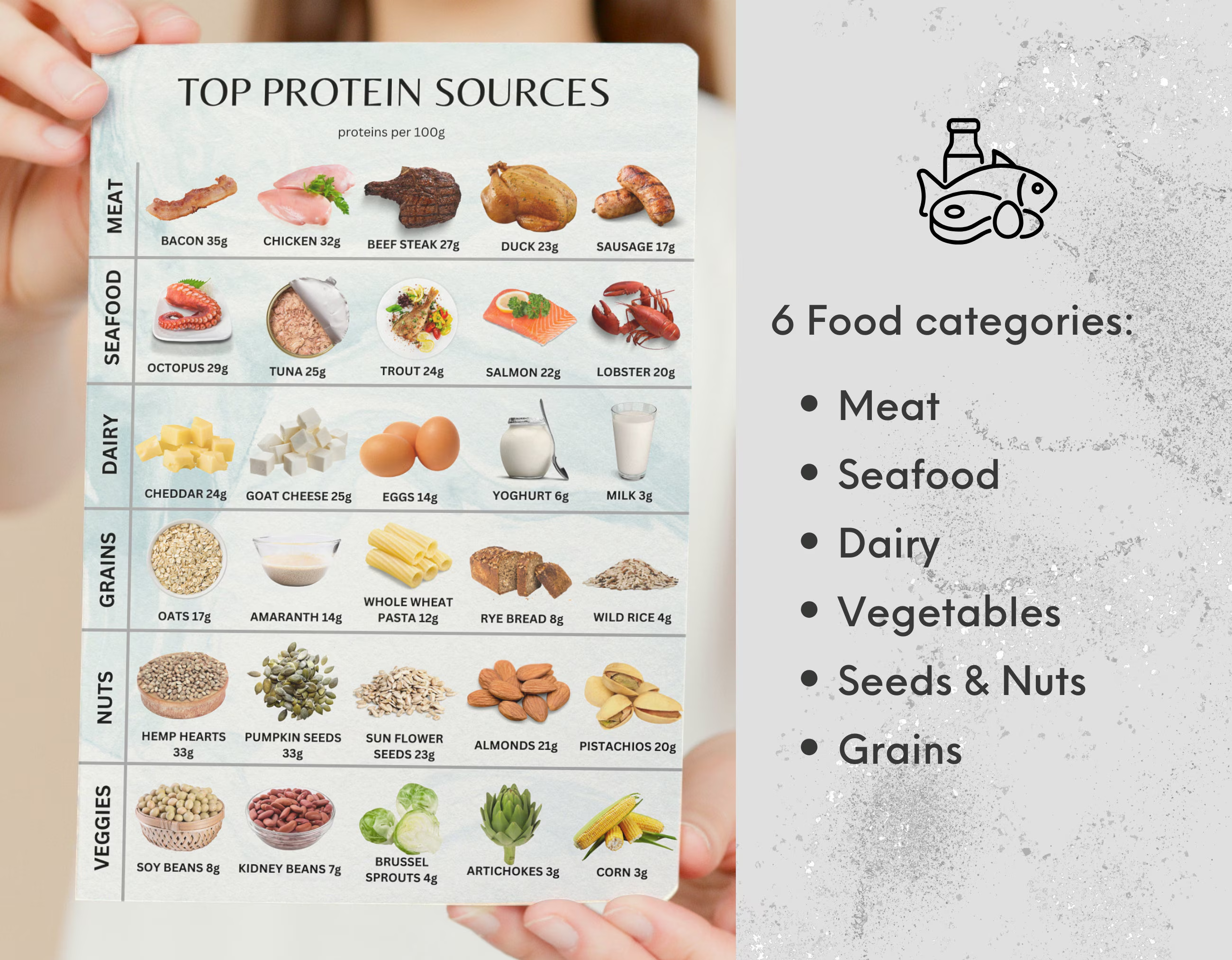
- Fish: tuna, salmon, sardines, white fish
- Dairy: Greek yogurt, Skyr, cottage cheese
- Plant: lentils, chickpeas, beans, tofu, tempeh, edamame
- Eggs: boiled, scrambled, baked in muffins
2. Digestive Discomfort
Suddenly jumping from low to high protein and fiber can cause gas or bloating. You can:
- Increase gradually over 2–3 days instead of all at once.
- Drink more water.
- Spread protein across 3–4 meals instead of huge portions at once.
3. Social Life & Eating Out
In one week, you’ll likely face at least one invitation or unexpected meal. Instead of panicking, use a simple guideline:
- Scan the menu for a protein anchor: grilled fish, meat, tofu, or a bean‑based dish.
- Ask for extra veggies instead of fries if you feel comfortable.
- Enjoy the meal, skip the guilt, and continue your plan at the next meal.
4. “Is This a Scam? It Seems Too Simple”
High‑protein eating sometimes feels suspiciously basic compared to flashy detoxes or extreme cleanses. But many coaches and dietitians quietly rely on protein, fiber, and modest calorie control because they are relatively well‑researched tools. No single 7‑day plan can guarantee a dramatic transformation, but this kind of structure may be a safe, grounded starting point for longer‑term change.
Practical Workflow: A Day in the Life on This Plan
Here’s how a typical workday might flow, including drinks:
- 7:00 – Wake up, drink water, make coffee.
- 7:30 – Breakfast (e.g., eggs + toast). Sip coffee slowly.
- 10:30 – Protein shake + water at your desk.
- 13:00 – Lunch (chicken salad or bean bowl). Glass of water or unsweetened tea.
- 16:30 – Snack (nuts + fruit or yogurt). Herbal tea if you like something warm.
- 19:00 – Dinner (fish + veggies + small carb portion). Water or sparkling water.
- 21:00 – If hungry, small yogurt or casein shake; otherwise herbal tea and wind‑down.
This kind of rhythm can reduce random grazing and make your day feel less chaotic around food.
Mini Grocery List for Your 7‑Day Protein Plan
- Proteins: chicken breast or thighs, eggs, Greek yogurt, cottage cheese, tofu or tempeh, canned tuna, lentils, beans, frozen fish fillets
- Carbs: oats, brown rice or quinoa, whole‑grain bread or wraps, potatoes or sweet potatoes
- Fats: olive oil, avocado, nuts, seeds, natural nut butter
- Produce: leafy greens, tomatoes, cucumber, broccoli, carrots, peppers, berries, apples, bananas
- Drinks: coffee, tea, herbal teas, water, sparkling water, protein powder or ready‑to‑drink shakes
FAQ
Can I do this 7‑day protein diet plan if I don’t eat meat?
Yes, but you’ll need to lean on plant and dairy proteins. Think tofu, tempeh, lentils, beans, chickpeas, edamame, Greek yogurt, Skyr, cottage cheese, and plant‑based protein powders. The structure stays the same; you just swap the animal protein for higher‑protein plant options and slightly increase portions to reach your target.
Will I gain the weight back right after the 7 days?
Some of the changes in the first week are water and glycogen, so your weight may fluctuate up if you go straight back to old habits. If you treat this week as a test run for habits—like higher protein, regular meals, and more home cooking—and keep some of them going, there’s a better chance that your results will be more stable over time.
Is it okay to have one “imperfect” meal during the week?
One relaxed meal is unlikely to undo your entire week, especially if the rest of your days are reasonably consistent. What tends to derail people is the “I messed up, so it’s ruined” mindset. A more helpful approach is noticing the off‑plan meal, enjoying it, and calmly returning to your structure at the next opportunity.
Do I need protein shakes, or can I just eat whole foods?
You don’t have to use shakes if you prefer real food. They’re simply a tool for convenience—handy on busy days or after workouts. If you enjoy whole foods more, you can swap shakes for options like yogurt, eggs, beans, or leftovers from dinner.
What if I feel very tired or unwell during the plan?
Mild hunger or a modest energy dip can happen when you reduce calories, but intense fatigue, dizziness, nausea, or brain fog are warning signs. In that case, increase your portion sizes, add an extra snack, and, if symptoms persist, check in with a healthcare professional. No short‑term plan is worth compromising your overall well‑being.
Gentle Final Thoughts
A 7‑day protein diet plan for weight loss is not a magic spell. It’s closer to a one‑week experiment in treating your body with a bit more structure, satiety, and attention. Some people walk away with a slightly looser waistband. Others walk away with something quieter but just as important: proof that they can show up for themselves for seven days in a row.
If you decide to try it, let this plan be a guide, not a judge. Notice how you feel, keep what works, and reshape what doesn’t. Your relationship with food is not just about numbers—it’s also about trust, comfort, and the stories you tell yourself when nobody is watching.