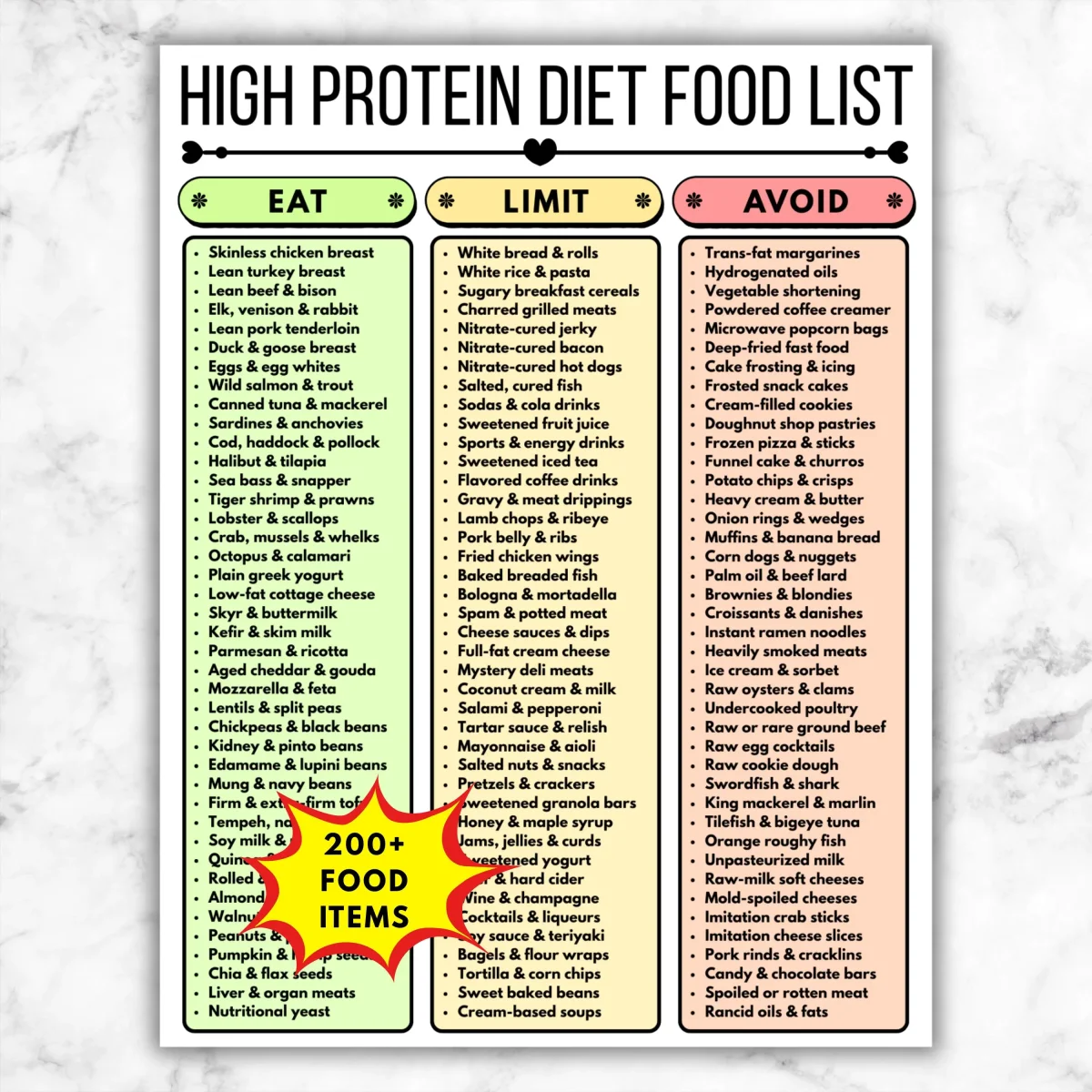
On paper, a high-protein plan for weight loss sounds simple: eat more protein, eat a bit less, watch the scale quietly drop.
In reality, it looks more like this: standing in the kitchen at 10:37 pm, wondering if one more spoon of Greek yogurt will ruin your calories, or save you from waking up starving at 3 am.
This 7-day protein diet plan for weight loss is not just a list of foods. It’s a structured, high-protein week designed for real life in 2026: work, social dinners, low-energy afternoons, and the mental tug-of-war between “I want results” and “I just want comfort food.”
We’ll walk through:
- A complete 7-day meal and drink plan (with flexible swaps)
- What people typically feel on days 1–7 (energy, hunger, mood)
- How to use protein drinks, coffee, and hydration in a smart way
- Common problems (bloating, cravings, social events) and gentle fixes
This is not a promise of dramatic before-and-after pictures. It’s a realistic framework that may help you lose some weight, feel more satisfied after meals, and understand your own body better over one week.
Why a 7-Day Protein Diet Plan May Help With Weight Loss
Before we get into the day-by-day plan, it helps to know why you’re doing this in the first place. Many people on Reddit and TikTok mention that when they “finally ate enough protein,” they felt less obsessed with snacks and could stick to a mild calorie deficit without feeling destroyed.
Early research and expert recommendations suggest a few reasons why higher protein may help with weight loss:
- Higher satiety: Protein tends to keep people fuller for longer compared with the same calories from refined carbs.
- Muscle preservation: When you eat fewer calories, adequate protein may help maintain lean muscle mass, which is important for long-term metabolism.
- Slightly higher calorie burn: Digesting protein uses a bit more energy (the “thermic effect of food”) than digesting carbs or fats, though this effect is modest.
- Blood-sugar stability: Pairing protein with carbs can lead to fewer sharp energy spikes and crashes for some people.
But a high-protein plan can also feel challenging: more cooking, more chewing, strange fullness, or digestive changes. We’ll factor that human side into the plan instead of pretending it’s effortless.

The Role of Drinks in a 7-Day Protein Diet Plan
When people think about high-protein diets, they often picture grilled chicken and boiled eggs. But your drinks quietly shape your hunger, energy, and calorie intake all week. Here’s a structured look at common drinks in a 7-day protein weight-loss plan and when they actually make sense.
Structured “Drink” Knowledge Map for a Protein Diet Week
- Hydration base
- Plain water – All day; aim for ~1.5–2 L unless your doctor advises otherwise.
- Infused water (lemon, cucumber, mint) – For people bored of plain water; may gently reduce sugary drink cravings.
- Sparkling water – Useful around snack times to create a feeling of fullness.
- Protein-focused drinks
- Whey or plant protein shakes – Breakfast or post-workout; convenient way to hit protein goals without heavy cooking.
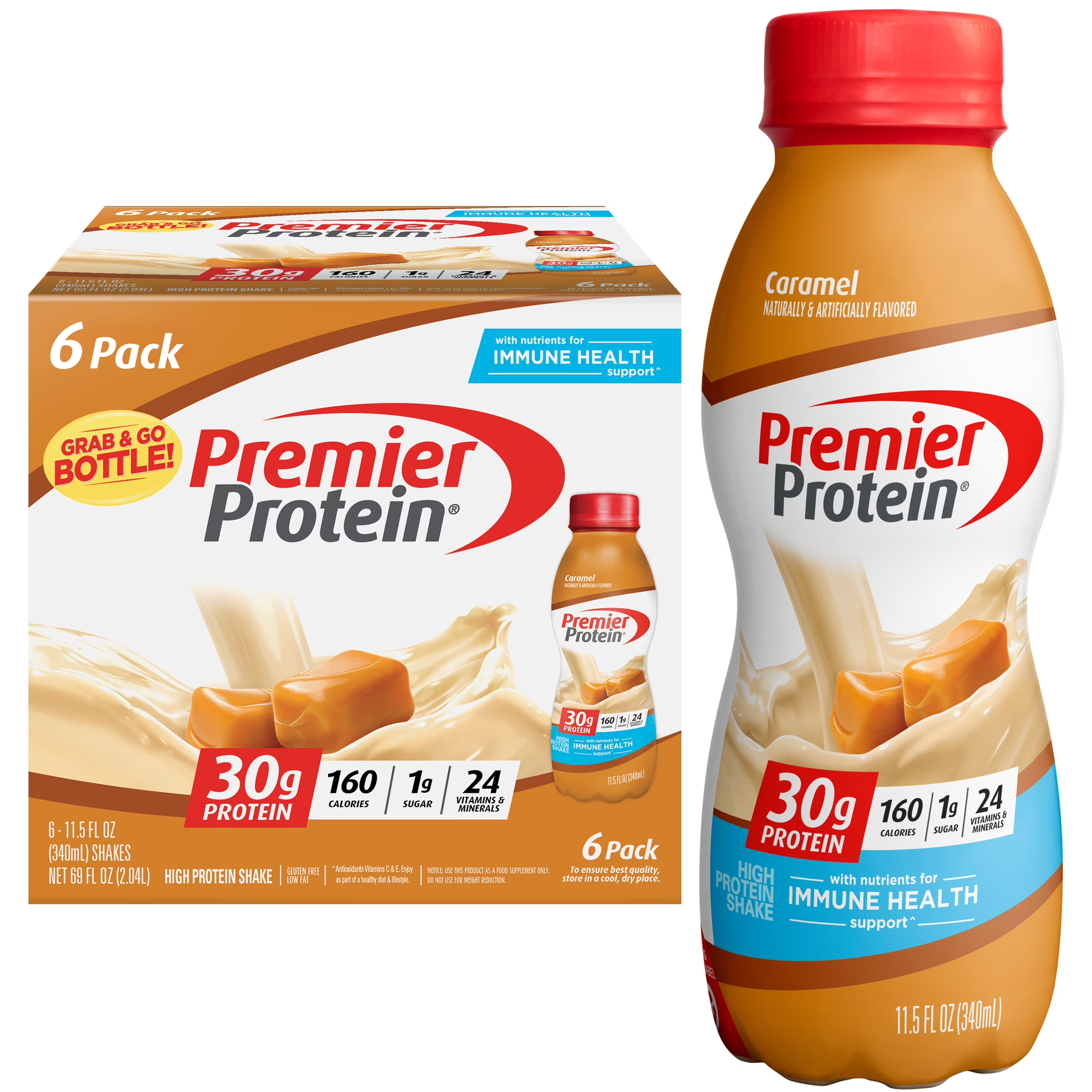
- Ready-to-drink protein beverages – For busy days, travel, or office snacks.
- High-protein smoothies (yogurt + fruit + seeds) – Preferably as a meal or a substantial snack, not an add-on.
- Caffeine-containing drinks
- Black coffee – Morning; may slightly blunt appetite for some people.
- Coffee with milk – Can count toward protein if using high-protein milk.
- Unsweetened tea / green tea – All day; low-calorie, small caffeine boost.
- Comfort and evening drinks
- Herbal tea – Evening; supports a calming routine instead of late-night snacking.
- Warm milk (dairy or fortified soy) – Bedtime; small protein hit and psychological comfort.
- Drinks to limit
- Sugary sodas and juices – Easy way to overshoot calories without real fullness.
- Fancy coffee drinks – Often dessert in disguise; may be saved for 1–2 special moments.
- Alcohol – May lower inhibitions around food and add calories; if used, build it consciously into the week.
Common Use Scenarios for Drinks During the Week
- Morning rush: Smoothie or protein shake + coffee for people who can’t sit down for eggs.
- Post-workout window: Whey or plant-based shake, especially if you don’t feel like eating solid food immediately.
- Afternoon slump: Green tea + high-protein snack (e.g., yogurt) instead of a sugary latte.
- Evening craving window (9–11 pm): Herbal tea or warm milk, sometimes with a small protein snack if genuinely hungry.
How Much Protein Per Day in This 7-Day Plan?
For weight loss, many experts suggest around 1.6–2.2 g of protein per kg of body weight for active adults, though needs vary and people with kidney or other health conditions should get personal medical advice.
For simplicity, this plan targets roughly:
- Women: ~90–110 g protein per day (adjust portion sizes as needed)
- Men: ~110–130 g protein per day (again, adjust based on size, activity, and guidance)
This is not a strict prescription, more like a structured template to lean on while listening to your own body.
7-Day Protein Diet Plan for Weight Loss (With Real-Life Notes)
The meals below are examples. You can swap chicken for turkey, tofu for tempeh, or whey for a plant-based powder. Focus on the structure:
- Protein at every meal
- Plenty of vegetables
- Moderate carbs (not zero)
- Simple, repeatable patterns
Day 1 – Testing the Waters
How it often feels: A mix of motivation and calculation. You’re reading labels, thinking, “Is this enough protein?” Hunger may be normal or slightly reduced because you’re paying attention.
- Breakfast: Omelet with 2–3 eggs, spinach, mushrooms, and a sprinkle of low-fat cheese; 1 slice whole-grain toast.
- Drink: Black coffee or coffee with a small amount of milk; water.
- Snack: Greek yogurt (unsweetened) with a handful of berries.
- Lunch: Grilled chicken breast, large mixed salad (leafy greens, tomato, cucumber, chickpeas), olive oil + lemon dressing.
- Drink: Sparkling water with lemon.
- Snack: A small handful of nuts + carrot sticks.
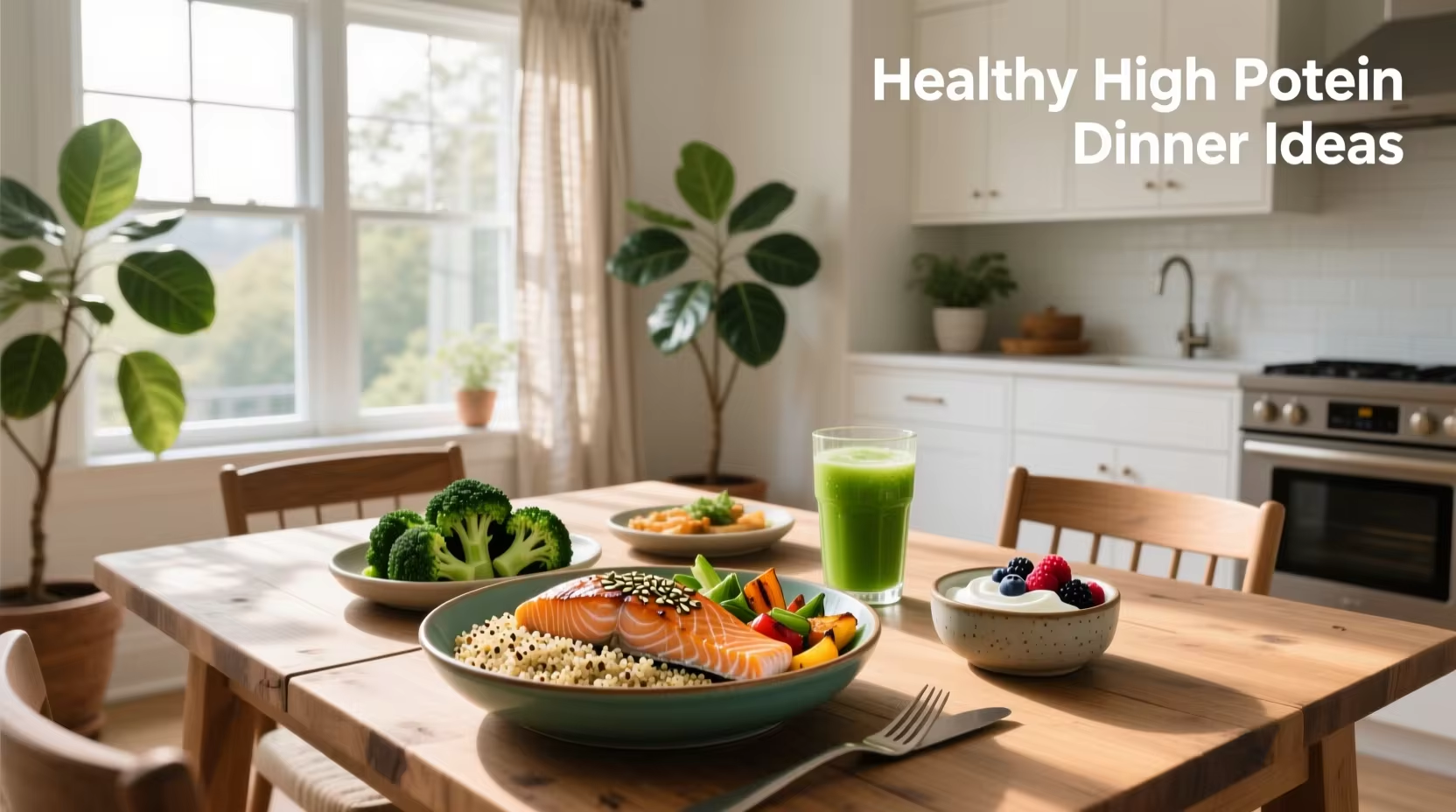
- Dinner: Baked salmon, quinoa, steamed broccoli.
- Evening drink: Herbal tea.
Day 2 – The First Craving Wall
Common experience: Afternoon sugar cravings can show up as your body adjusts. Some people feel more bloated from extra protein or veggies—this usually settles as your gut adjusts and you tweak fiber and water.
- Breakfast: High-protein smoothie (Greek yogurt or soy yogurt, 1 scoop protein powder, ½ banana, frozen berries, chia seeds).
- Drink: Coffee or tea.
- Snack: 2 boiled eggs, cherry tomatoes.
- Lunch: Turkey or tofu lettuce wraps with shredded veggies and a light sauce.
- Drink: Water or unsweetened iced tea.
- Snack: Cottage cheese (or soy-based alternative) with cucumber slices.
- Dinner: Stir-fry with lean beef or tempeh, mixed vegetables, small portion of brown rice.
- Evening drink: Peppermint tea.
Day 3 – The “Am I Really Doing This?” Day
Common experience: This is where some people feel a dip in enthusiasm. Early water loss might show a slightly lower scale number, but energy can be uneven. This is a good day to simplify meals and avoid overthinking.
- Breakfast: Scrambled eggs with smoked salmon and sliced tomato.
- Drink: Coffee + water.
- Snack: Protein shake (whey or plant-based) + a small piece of fruit.
- Lunch: Lentil and vegetable soup + side salad.
- Snack: Edamame or roasted chickpeas.
- Dinner: Grilled chicken or tofu, roasted sweet potatoes, green beans.
- Evening drink: Chamomile tea.
Day 4 – Settling Into a Rhythm
Common experience: Many people notice slightly steadier energy and fewer dramatic hunger swings. You may also feel a bit proud: you’ve made it halfway.
- Breakfast: Greek yogurt parfait with oats, berries, and a spoon of nut butter.
- Drink: Coffee or green tea.
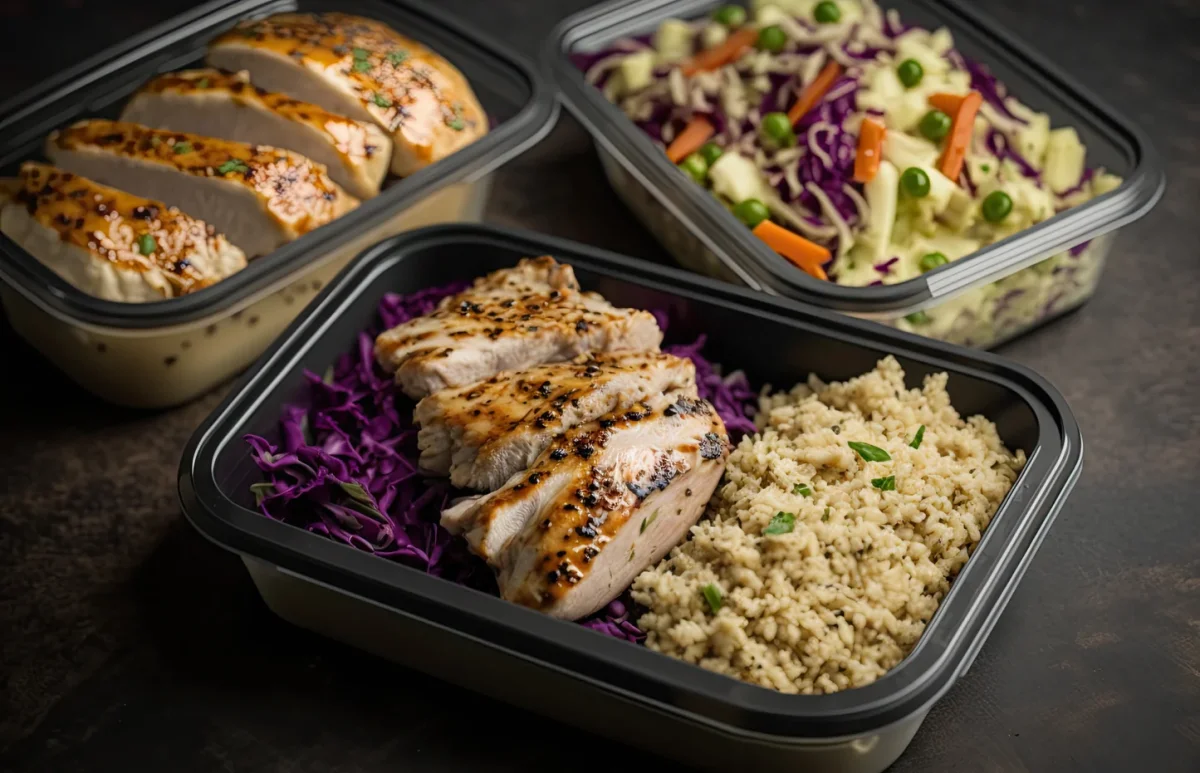
- Snack: Turkey slices or baked tofu cubes with cucumber.
- Lunch: Tuna or chickpea salad on a bed of greens, a small slice of whole-grain bread.
- Snack: Protein bar (check label for added sugars and protein content).
- Dinner: Baked cod or tempeh, cauliflower mash, roasted carrots.
- Evening drink: Warm milk (dairy or soy) if desired.
Day 5 – Social Life vs. Protein Plan
Common experience: This is often the “dinner out” or “office snacks” day. The goal is not perfection; it’s learning how to make protein-centered choices without feeling punished.
- Breakfast: Omelet with vegetables + side of fruit.
- Drink: Coffee.
- Snack: Protein shake or yogurt.
- Lunch: Restaurant or canteen meal: aim for a lean protein (chicken, fish, tofu) + vegetables, keep fries/bread in a smaller portion.
- Drink: Water, sparkling water, or diet soda if you already use it.
- Snack: A piece of cheese or plant-based equivalent + apple.
- Dinner: Lighter, at home: vegetable omelet or a simple chicken salad.
- Evening drink: Herbal tea to signal “kitchen is closed.”
Day 6 – Noticing Small Changes
Common experience: Clothes may fit a little differently, or you simply feel less puffy. Mentally, you might feel more confident in deciding “this snack is worth it / this one isn’t.”
- Breakfast: Protein pancakes (oats, eggs or egg substitute, protein powder) topped with berries and a bit of yogurt.
- Drink: Coffee or tea.
- Snack: Cottage cheese or soy yogurt with sliced peaches or other fruit.
- Lunch: Grilled shrimp or tofu bowl with rice, avocado, and salsa.
- Snack: Handful of nuts or seeds + veggie sticks.
- Dinner: Turkey or lentil chili with plenty of beans and vegetables.
- Evening drink: Herbal tea or sparkling water with lime.
Day 7 – Reflect and Reset
Common experience: Some people notice small but real changes in weight, waistline, or energy. Others mainly notice they are more conscious about protein and portions. Either way, this is a day to notice, not judge.
- Breakfast: High-protein smoothie or omelet (your favourite of the week).
- Drink: Coffee, tea, or both.
- Snack: Hard-boiled eggs or tofu fingers with salsa.
- Lunch: Leftover chili or soup from Day 6, plus a green salad.
- Snack: Yogurt + nuts.
- Dinner: Your choice of lean protein (fish, chicken, tofu, beans), a generous portion of vegetables, and a small serving of carbs you actually enjoy (rice, pasta, or potatoes).
- Evening drink: Herbal tea while you reflect on what worked for you.
High-Protein Drinks vs. Whole Foods: A Real-World Comparison
Many people wonder whether they should rely on protein shakes or focus mostly on whole foods. Here’s a simple comparison to help you decide what fits your life this week.
| Aspect | Protein Shakes / Drinks | Whole-Food Protein (meat, fish, tofu, beans) |
|---|---|---|
| Convenience | Very high; great for busy mornings & post-workout | Requires cooking or prep time |
| Satiety (fullness) | Moderate; some people feel hungry sooner | Often higher due to chewing, fiber, and volume |
| Nutrient diversity | Depends on brand; often limited | Provides micronutrients, fiber (beans, lentils), healthy fats |
| Digestive comfort | Whey may cause bloating for some; plant blends vary | Can cause gas if you suddenly increase beans/fiber |
| Cost per serving | Varies from budget-friendly to expensive | Can be cost-effective, especially with eggs, legumes, frozen fish |
| Long-term sustainability | Useful, but relying only on shakes may feel boring or artificial | More aligned with everyday eating and family meals |
For most people, a mix works best: whole-food protein as the base, with 1–2 protein drinks per day when life gets hectic.
Emotional and Physical Changes You May Notice in 7 Days
Everyone is different, but here are common patterns people describe when they follow a high-protein plan for a week:
- Days 1–2: A bit of excitement, lots of label-reading, maybe some digestive changes while your fiber and protein jump.
- Days 3–4: Mild fatigue or irritability for some if carbs suddenly dropped too fast. Adjust portions rather than forcing a crash.
- Days 5–7: Slightly steadier energy, reduced mindless snacking, and a sense of being more in charge of food decisions.
Some people step on the scale and see a small drop—often a mix of water and fat. Others don’t see much yet, but notice that they snack less and feel more confident planning meals. Both outcomes are useful feedback, not a verdict.
Common Problems (and Gentle Solutions) on a 7-Day Protein Diet
1. “I Feel Too Full or Bloated”
This can happen when your protein, fiber, and water all increase at once.
- Increase protein more gradually if possible.
- Spread protein across 3 meals and 1–2 snacks rather than loading it at dinner.
- Chew slowly and avoid racing through meals at your laptop.
- Adjust high-fiber foods (beans, cruciferous vegetables) if gas is intense; increase them step-by-step.
2. “I Miss My Old Comfort Foods”
It’s normal to feel a bit nostalgic for your usual snacks or sweet drinks.
- Include small portions of foods you love (e.g., a square of chocolate) instead of banning everything.
- Use ritual drinks (herbal tea, flavored sparkling water) as a new comfort signal at night.
- Plan one conscious “flex meal” during the 7 days where you relax a bit while still including protein.
3. “I’m Not Losing Anything—Is This a Scam?”
High-protein plans are sometimes marketed with dramatic promises. Real bodies are quieter. In 7 days, some people lose a noticeable amount, others see very small changes—especially if hormones, stress, sleep, or medications are involved.
Instead of treating it as a test you passed or failed, use the week as data:
- Did you feel less hungry overall?
- Did protein-based meals feel sustainable or exhausting to maintain?
- Do you want to keep certain habits (e.g., protein breakfast) even if you drop others?
4. “Protein Shakes Upset My Stomach”
Some people react to whey, certain sweeteners, or thick textures.
- Try different types: whey isolate, pea protein, soy protein, or blends with fewer additives.
- Use half a scoop instead of a full one and pair it with food.
- Focus more on whole-food protein if drinks really don’t sit well.
Simple LSI-Friendly Ideas You Might Search For During the Week
As you go through your 7 days, you might naturally find yourself looking up things like:
- high protein breakfast ideas for weight loss
- low calorie high protein snacks
- how much protein per day to lose weight
- protein shake vs whole food protein for fat loss
- high protein vegetarian or vegan meal prep
- 7 day low carb high protein meal plan
- high protein diet side effects like bloating or constipation
- how to stay full on a calorie deficit
You don’t need to chase every new tip. Stay with the basic structure of the plan and let extra ideas support you rather than overwhelm you.
FAQ
Can I follow this 7-day protein diet plan if I don’t cook much?
You can. Many of the meals can be simplified with ready-to-eat options: rotisserie chicken (skin removed), canned beans, pre-washed salad mixes, frozen vegetables, and ready-to-drink protein shakes. The key is to build each meal around a protein source, then add vegetables and a modest portion of carbs. Starting with just one cooked meal per day and keeping the rest semi-prepped can already make the plan more realistic.
What if I feel tired or dizzy when I cut back on carbs?
If you’re dropping from very high carb intake to moderate in one step, your body may need a few days to adjust. You don’t have to go very low carb for this plan to be effective. If you feel dizzy, shaky, or unwell, increase your complex carb portions (rice, oats, potatoes) and consider slowing the transition. People with blood sugar issues should speak with a healthcare professional before changing their diet.
Will a 7-day high-protein plan slow my metabolism?
A short, moderate calorie deficit with adequate protein is less likely to impact metabolism than extreme crash diets. Seven days is usually too short to see major metabolic changes in either direction. The focus here is on learning habits—like prioritizing protein and building satisfying meals—that you can extend beyond the week, rather than pushing your body into an aggressive deficit.
Is this safe if I have kidney issues or other medical conditions?
People with kidney disease, certain metabolic conditions, or those taking specific medications may need to limit protein or adjust their eating plan. In those cases, a generic high-protein diet may not be appropriate. It’s important to get individual advice from your doctor or a registered dietitian before significantly increasing your protein intake.
What should I do after the 7 days end?
Instead of going “back to normal” overnight, pick 2–3 habits from the week that felt natural: maybe a protein-rich breakfast, an afternoon high-protein snack that prevents evening binges, or swapping sugary drinks for water or tea. You can then gently reintroduce more variety in carbs and fats while keeping your new protein habits. Think of the 7 days as a trial run, not a one-time fix.
References
- Leidy HJ et al. The role of protein in weight loss and maintenance.
- Westerterp-Plantenga MS. Protein intake and energy balance.
- National Institute of Diabetes and Digestive and Kidney Diseases – Weight Management
- British Dietetic Association – High-protein diets
- Academy of Nutrition and Dietetics – Understanding fad diets