If you’ve ever stood in front of your spice rack thinking, “Could this yellow powder actually help me lose weight?” you’re not alone.
Turmeric went from quiet curry ingredient to TikTok-famous “golden fat burner” in just a few years. People stir it into oat milk, take bright orange capsules, and post dramatic before-and-after photos. Then you read the fine print and realize: the science is mixed, the doses are confusing, and nobody agrees on how much turmeric for weight loss actually makes sense.
Maybe you’re in that messy middle: you don’t expect a miracle, but you’re curious. You’d love a gentle nudge for digestion, inflammation, and maybe the scale, without wrecking your stomach or your wallet. This guide is for that headspace—curious, hopeful, but still skeptical.
We’ll walk through realistic amounts of turmeric (and curcumin) that have been studied, what people actually do day to day, and how it feels to stick with it for more than a week. No magic guarantees—just grounded information and lived-experience style advice so you can decide whether turmeric deserves a place in your routine.
Does Turmeric Really Help With Weight Loss?
Turmeric itself is a spice; its main active compound is called curcumin. When people talk about turmeric for weight loss, they usually mean one of two things:
- Using turmeric powder in food or drinks
- Taking concentrated curcumin supplements
Early research suggests curcumin may influence:
- Inflammation – chronic low-grade inflammation is linked with obesity and metabolic issues.
- Insulin sensitivity and blood sugar – which can affect appetite and fat storage.
- Fat cell behavior – some lab and small human studies hint that curcumin may help reduce fat mass around the waist.
For example, a small clinical trial published in the European Review for Medical and Pharmacological Sciences followed overweight participants who added a curcumin complex to a weight-loss plan. They saw slightly more reduction in body weight and waist size than diet alone. Other reviews, including one in Frontiers in Pharmacology, also note potential benefits, especially around metabolic health, but emphasize that sample sizes are small and long-term effects aren’t fully clear yet.
So turmeric may support weight loss, especially as part of a healthier pattern, but it’s not a stand-alone solution. Think of it as a possible helpful sidekick, not the main superhero.
How Much Turmeric for Weight Loss? The Short, Honest Answer
Most people actually mean: “How much turmeric or curcumin can I take safely, and is there any dose that seems somewhat useful?”
Based on current research and expert opinions, these are typical daily ranges for adults:
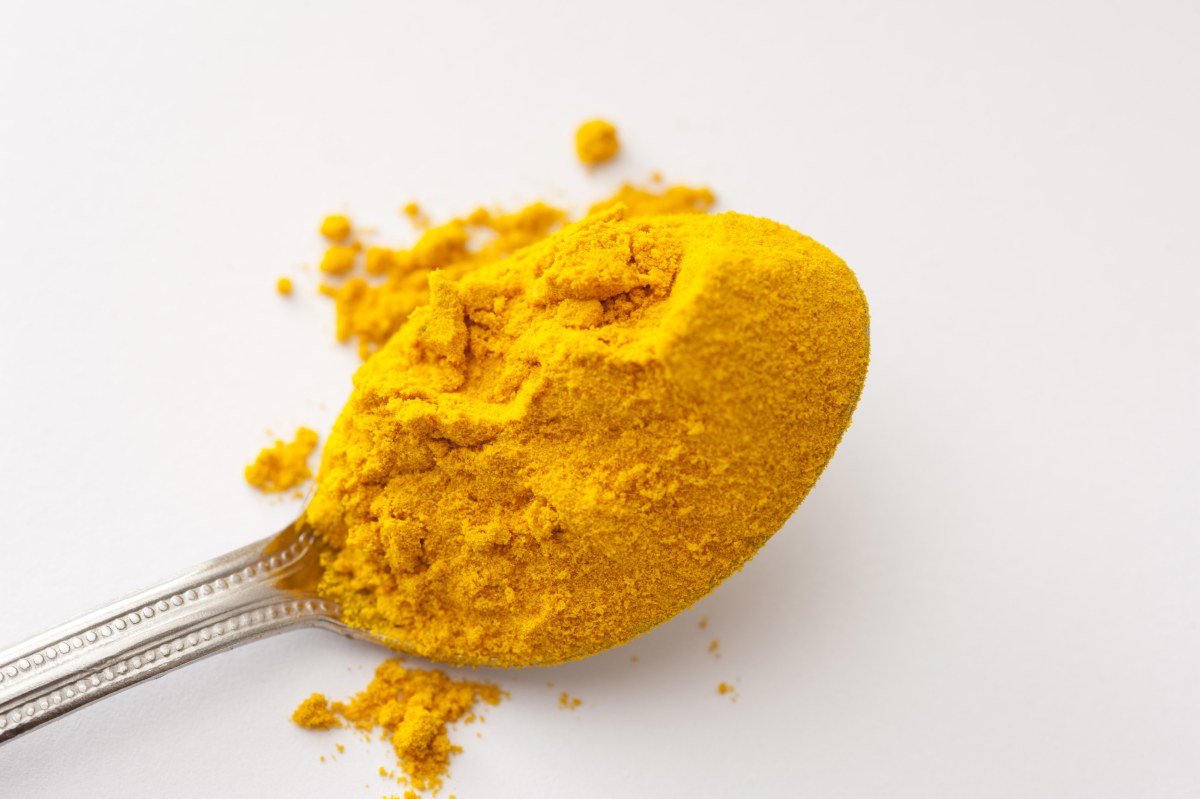
- Turmeric powder (dietary use): about 1–3 grams per day (roughly ½–1 teaspoon), divided between food and drinks.
- Curcumin supplements: most clinical studies use about 500–1,000 mg of standardized curcumin per day, sometimes up to 1,500–2,000 mg under medical supervision.
Health organizations and reviews generally consider up to 8 grams of turmeric powder per day safe for short periods in healthy adults, but that’s far above what most people need or tolerate comfortably. At higher amounts, stomach upset and other side effects become more likely.
For weight management, there’s no “magic” dose that melts fat. A realistic, gentle starting point many people try is:
- Food & drinks: ½ teaspoon of turmeric powder once or twice a day
- Or supplement: 500 mg curcumin with black pepper extract once a day, with food
Then adjust up or down depending on how your body reacts, and talk with a healthcare provider if you have health conditions or take medications.
Turmeric Powder vs Curcumin Supplements: What’s the Difference?
One confusing thing in the online advice world: “turmeric” and “curcumin” get used interchangeably, but they’re not the same thing.
| Form | What it is | Typical dose used | Pros | Cons |
|---|---|---|---|---|
| Turmeric powder (spice) | Ground turmeric root, ~2–5% curcumin | 1–3 g/day (½–1 tsp) in food or drinks | Easy to add to meals, inexpensive, brings flavor | Lower curcumin concentration; may need consistency over time |
| Curcumin capsule | Concentrated extract standardised for curcumin | 500–1,000 mg/day (often with black pepper) | Higher, more predictable curcumin dose | Supplements cost more; potential interactions & side effects |
| Turmeric/curcumin “complex” | Blend with bioavailability enhancers (e.g., piperine, liposomes) | Typically 250–1,000 mg/day as per label | Designed to absorb better | Dosing comparisons to plain turmeric are less intuitive |
In many weight-loss oriented studies, participants received concentrated curcumin, not just a sprinkle of kitchen turmeric. That doesn’t mean cooking with turmeric is useless—it just means expectations should be realistic. Food-level turmeric might support comfort, digestion, and inflammation in subtler ways, which can still matter over months.
Real-Life Use: What a Day With Turmeric for Weight Loss Looks Like
This is where the science papers stop and real life begins. The dose you can stick with matters more than the “perfect” number that lives in a study PDF.
Here’s a sample routine people often land on after experimenting:
Morning: Gentle Golden Drink
- ½ teaspoon turmeric powder
- Pinch of black pepper (for absorption)
- Warm water, oat milk, or almond milk
- Optional: a tiny bit of honey or cinnamon
Sipped slowly, this may help you feel like you’re “starting clean” for the day. Some people on Reddit describe mild appetite control or less bloating when they take it before breakfast. Others feel nothing noticeable for weeks, then realize their digestion feels smoother.

Midday: Turmeric in Real Food
Rather than chasing another “fat-burning drink,” it’s usually more sustainable to just cook with turmeric:
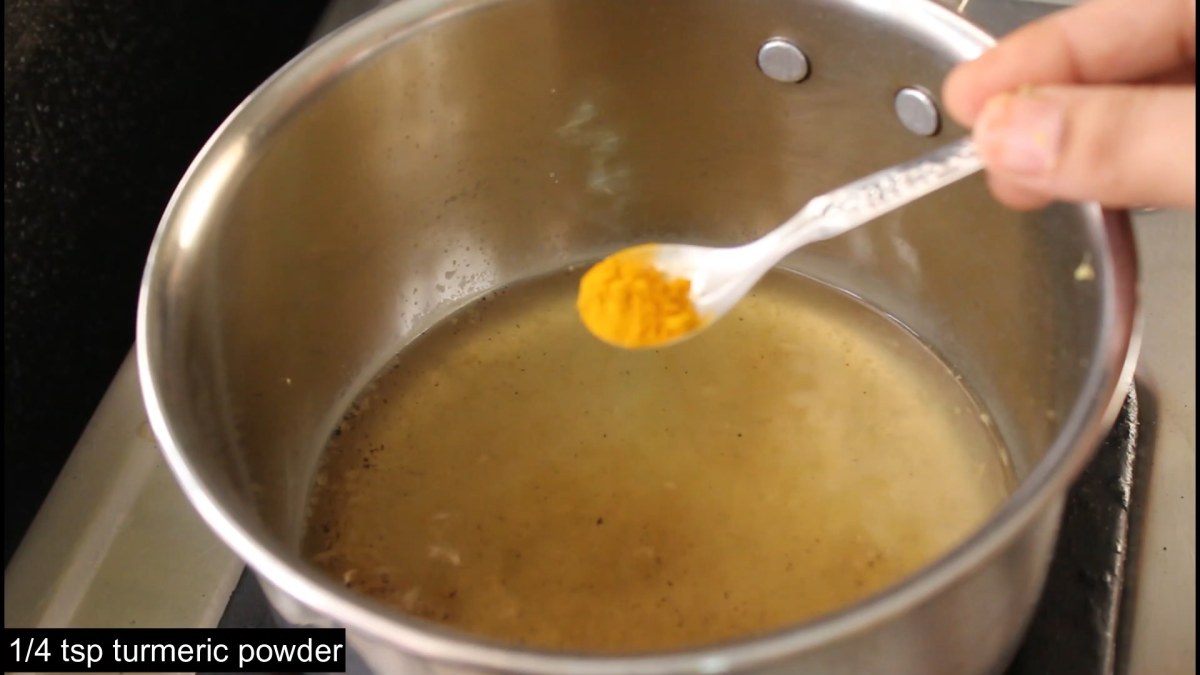
- Add ¼–½ teaspoon to lentils, soups, stir-fries, or roasted vegetables.
- Combine with a fat source (olive oil, ghee, avocado oil) to improve absorption.
This way turmeric becomes part of a nutrient-dense meal, not a separate chore. If you’re focused on weight loss, pairing it with fiber and protein can also help with fullness.
Evening: Optional Supplement (If You Use One)
If you and your healthcare provider decided a supplement makes sense, many people:
- Take 500 mg curcumin with black pepper extract with dinner.
- Monitor for any stomach discomfort or loose stools.
A common pattern people report in forums: first few days feel like nothing; the first real sign is improved joint comfort or less morning stiffness. Any weight-related changes, if they appear, tend to be subtle and tied to an overall lifestyle shift rather than turmeric alone.
How Long Before You Notice Anything?
Short answer: think in weeks and months, not days.
- Within a few days: some people feel mild digestive changes (lighter, or occasionally more gassy or loose).
- Within 2–4 weeks: those who respond often mention less bloating, smoother digestion, or small shifts in cravings. Some notice joint or muscle comfort changes before any weight shifts.
- Beyond 8–12 weeks: if combined with a calorie deficit, movement, and sleep, turmeric may contribute to slightly better fat loss or waist reduction, but evidence suggests it’s a supporting role.
If you’ve been consistent for 2–3 months and notice absolutely no change in digestion, inflammation, or your general sense of well-being, it’s reasonable to question whether it’s adding value for you personally.
Popular Turmeric Drinks for Weight Loss (and How Much Goes In)
Most “turmeric weight loss drinks” online are essentially variations of the same theme: turmeric + warm liquid + something to boost absorption and taste. They won’t replace a solid nutrition plan, but they can become a small daily ritual.

1. Turmeric Lemon Water
When people use it: First thing in the morning, instead of plain lemon water.
Basic structure:
- 1–2 cups warm water
- ¼–½ tsp turmeric powder
- Juice of ½ lemon
- Pinch of black pepper
- Optional: a few drops of honey if needed
What people report: Feeling a bit lighter in the stomach, some reduction in morning “heaviness.” A few people find it too harsh on an empty stomach; in that case, sipping it with or after breakfast may be gentler.
2. Golden Milk (Turmeric Latte)
When people use it: Evening wind-down drink, sometimes to reduce late-night snacking.
Basic structure:
- 1 cup milk or plant milk
- ½ tsp turmeric powder
- Pinch of black pepper
- ¼ tsp cinnamon or ginger
- Optional: small amount of sweetener
This drink includes fat (from milk), which can improve turmeric absorption. Some people find the warmth and flavor satisfying enough to replace dessert or second dinner, indirectly supporting weight goals.
3. Turmeric Ginger Metabolism Tea
When people use it: Mid-morning or afternoon when cravings hit.
Basic structure:
- 1–2 cups hot water
- Slice of fresh ginger or ½ tsp ginger powder
- ¼–½ tsp turmeric powder
- Lemon slice
- Pinch of black pepper
Some small studies suggest ginger may help with appetite and thermogenesis; combined with turmeric, this becomes a low-calorie ritual that can occupy that “I want to snack, but I’m not actually hungry” space.
How Much Is Too Much? Safety and Side Effects
It’s easy to think, “If ½ teaspoon is good, 3 tablespoons will be amazing.” That’s usually the fastest route to regretting your life choices.
Possible side effects when people overdo turmeric or curcumin include:
- Stomach pain, nausea, or heartburn
- Loose stools or diarrhea
- Increased gas
- In rare cases and very high, long-term doses, potential impact on liver or gallbladder
Groups who should be especially cautious and talk to a healthcare provider before using turmeric or curcumin supplements:
- People on blood thinners (e.g., warfarin, clopidogrel)
- Those with gallstones or bile duct obstruction
- Individuals with significant liver issues
- Pregnant people (high-dose supplements in particular may not be advised)
Most reviews suggest that culinary amounts (up to ~1–3 grams/day) are very unlikely to cause harm in healthy adults. With supplements, it’s wiser to stay within the typical 500–1,000 mg/day range unless your doctor recommends otherwise.
Realistic Expectations: What Turmeric Can and Can’t Do
Online, you’ll see bold promises: dramatic before-and-after photos, “10 kg gone in 30 days with turmeric water,” or “This spice cured my obesity.” Many of these stories leave out key details: changes in diet, medication, exercise, or even photo angles and lighting.
A more grounded way to look at turmeric:
- It may help with:
- Mildly improving inflammation markers
- Supporting digestion and bowel regularity for some people
- Making healthy meals more flavorful and satisfying
- Being a small part of a calming daily ritual (which can reduce stress eating)
- It probably won’t:
- Melt fat without a calorie deficit
- Override a high-sugar, ultra-processed diet
- Replace movement, sleep, or stress management
- Work the same way for everyone
Many people who give balanced “reviews” say something like: “Turmeric didn’t magically make me skinny, but my joints hurt less, my digestion feels smoother, and that made it easier to walk more and stick to my plan.” That quietly supportive role is still valuable—just different from the hype.
How to Choose a Turmeric or Curcumin Supplement (If You Go That Route)
If you decide to go beyond the spice jar, it’s worth being fussy. Not all capsules are equal, and the marketing around “fat burning” is especially noisy.
Look for:
- Clear labeling: how much curcumin per capsule, not just “turmeric complex.”
- Standardization: many quality products list “95% curcuminoids.”
- Bioavailability support: black pepper extract (piperine) or other delivery systems.
- Third-party testing: seals or statements about independent quality checks.
Red flags include:
- Over-the-top claims like “effortless weight loss” or “burn fat in your sleep.”
- No dosage transparency (“proprietary blend” with no breakdown).
- “Before and after” photos that look heavily edited or reused.
Starting with 1 capsule of 500 mg curcumin per day with a meal is a common, moderate approach. If you feel off—headaches, stomach upset, or anything unusual—back down or stop and talk to a professional.
Making Turmeric Part of a Sustainable Weight-Loss Strategy
Instead of putting pressure on turmeric to be the star, let it quietly support the habits that actually drive change.
Here’s a simple framework that many people find realistic:
- 1–2 turmeric moments per day
- Morning drink + cooking with turmeric at lunch or dinner.
- Or 1 turmeric drink + 1 small supplement dose.
- Anchor it to existing habits
- Always drink your turmeric tea with your first glass of water.
- Always add turmeric when you cook lentils, rice, or roasted veggies.
- Pair it with the “big rocks”
- Keep an eye on your total calorie intake.
- Move your body most days, even if it’s just walking.
- Protect your sleep window; fatigue can fuel cravings.
One way to track progress that isn’t just the scale: each week, jot down any changes in digestion, bloating, joint comfort, or cravings. Even if your weight shifts slowly, feeling physically better often makes it easier to keep going.

FAQs: Turmeric for Weight Loss, Answered Honestly
How much turmeric should I take daily specifically for weight loss?
There isn’t a proven “weight-loss dose” that works for everyone. A practical range for most healthy adults is ½–1 teaspoon (about 1–3 grams) of turmeric powder per day in food and drinks, or about 500 mg of curcumin in supplement form. More isn’t always better—focus on consistency and how your body feels rather than chasing a high number.
Is it better to drink turmeric water or take a capsule?
They do slightly different jobs. Turmeric water or tea is more like a gentle, daily ritual and adds small amounts of the spice to your routine. Capsules can provide a higher, more standardized curcumin dose, closer to what some studies use. If you’re mainly after subtle support and don’t love pills, drinks and cooking with turmeric may be enough. If you and your doctor are aiming for a more targeted anti-inflammatory effect, a supplement might make sense.
Can I just take a lot of turmeric at once to speed things up?
Taking big doses all at once mostly increases your chances of stomach upset, not your chances of faster fat loss. Your body can’t shortcut basic energy balance. It’s usually kinder to your system to spread turmeric out (for example, ¼–½ teaspoon at a time with meals) and stay within modest daily totals unless a healthcare professional suggests otherwise.
What if I don’t notice any difference after a month?
That happens. Some people feel changes in digestion or joint comfort quickly; others feel nothing noticeable. If after 4–8 weeks of consistent use (and reasonably balanced eating) you notice no shift at all, you could: lower the dose, switch form (powder to supplement, or vice versa), or decide it’s not worth the effort for you. It’s okay if turmeric isn’t your tool—there are plenty of other ways to support weight loss.
Can turmeric replace my diet or exercise plan?
No. Turmeric can sit alongside healthier eating and movement, but it doesn’t replace them. Most of the promising results in studies appear when turmeric or curcumin is added to a structured diet and lifestyle program, not used alone. If a product says you can “eat whatever you want and still lose weight just by taking turmeric,” it’s smart to stay skeptical.
References
- Aggarwal BB et al. Curcumin: the Indian solid gold. Adv Exp Med Biol.
- Di Pierro F et al. Potential role of curcumin in weight loss: preliminary study. Eur Rev Med Pharmacol Sci.
- Hewlings SJ, Kalman DS. Curcumin: a review of its effects on human health. Foods.
- NIH Office of Dietary Supplements: Turmeric and Curcumin Fact Sheet.
- Esatbeyoglu T et al. Curcumin – from molecule to biological function. Angew Chem Int Ed.