If you’re googling “7 day liquid diet weight loss results,” you’re probably standing in the same place many of my readers describe: caught somewhere between excitement and doubt.
Maybe you saw a TikTok where someone claims they dropped 10 pounds in a week living on shakes and broth. Maybe a friend mentioned a “liquid detox” before a vacation. Part of you wonders, “Could I do that too—just for seven days?” Another part whispers, “Is this safe… or am I about to be hungry and miserable for nothing?”
This article is for that second voice.
We’ll walk through what a 7‑day liquid diet actually looks like, the kind of weight loss people really report, what’s likely happening inside your body, and when this kind of plan may be too risky. You’ll see possible before‑and‑after changes—but also the emotional and physical costs most highlight reels skip.
What Is a 7-Day Liquid Diet, Really?
“Liquid diet” sounds straightforward, but it can mean very different things depending on who designed it and why you’re doing it.
Two very different types of liquid diets
- Medically supervised very‑low‑calorie liquid diets (VLCDs)
Often use nutritionally balanced meal replacement shakes prescribed by a doctor or bariatric clinic. Calories may drop to 800–1000 per day, with set protein, vitamin, and mineral targets. - DIY “detox” or influencer liquid diets
Usually involve smoothies, juices, broth, coffee, and maybe some protein shakes that people put together themselves. Nutrition can be all over the place—some are decent, many are very low in protein and electrolytes.
When people share “7 day liquid diet results” on Reddit or YouTube, they’re usually describing the DIY version, not the medically supervised one. That distinction matters: the results, side effects, and risks can be very different.
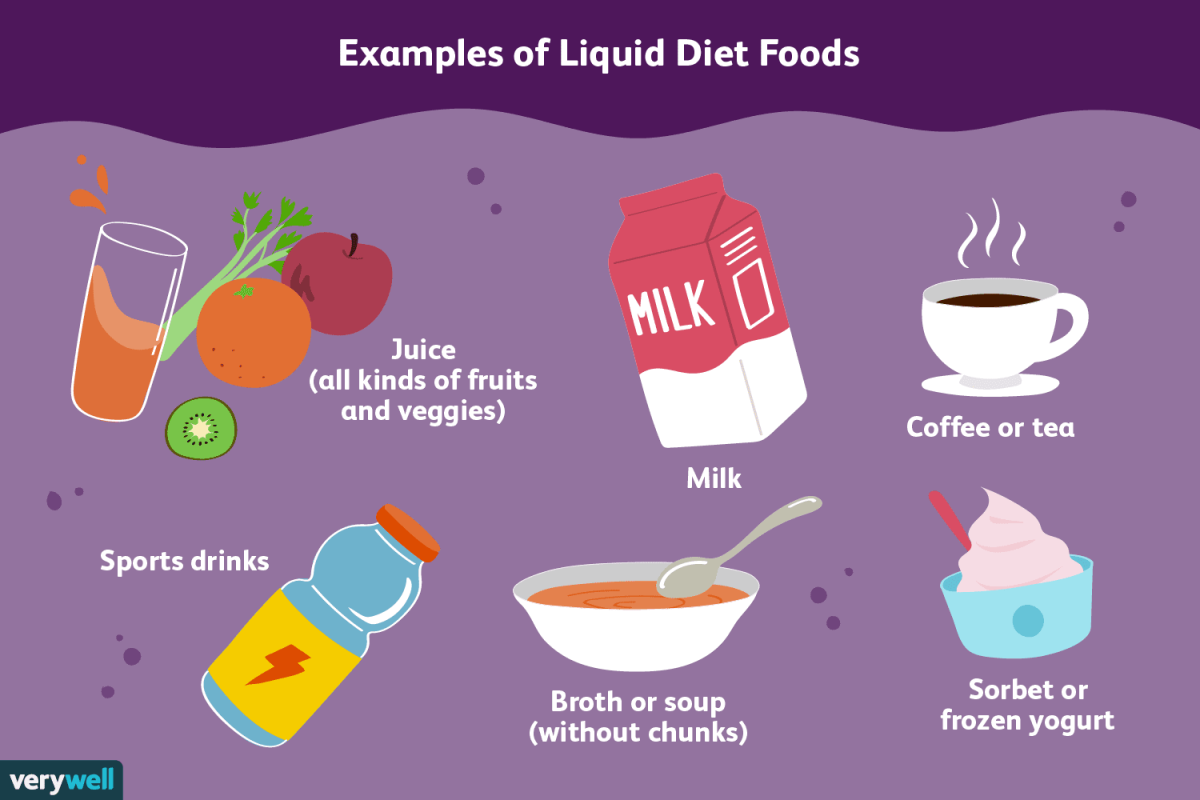
Common drinks used in a 7-day liquid diet
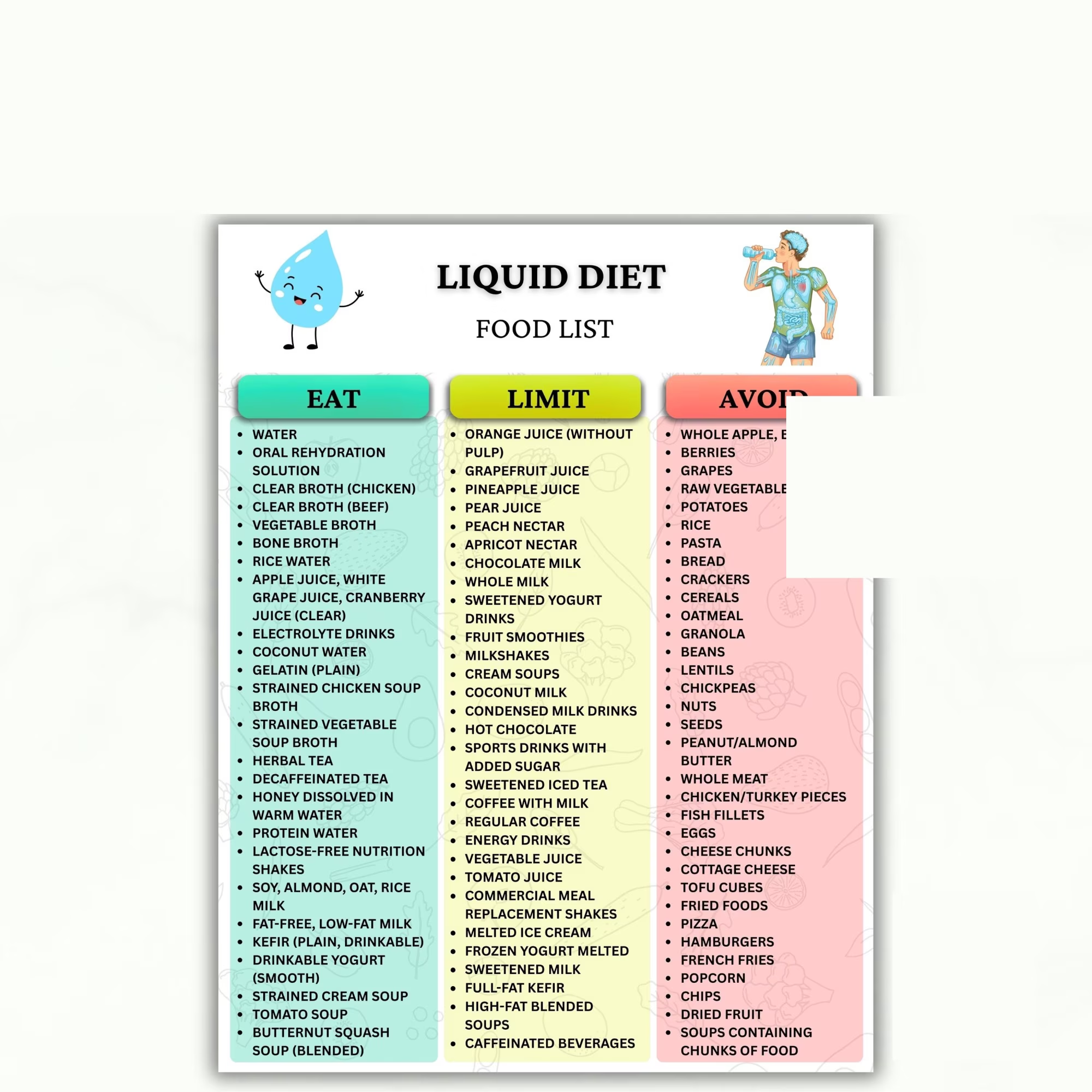
Here’s a simplified “knowledge map” of the kinds of drinks people typically use and where they fit in:
- Protein-based drinks
- Whey or plant protein shakes
- Ready-to-drink meal replacement shakes
- Greek yogurt–based smoothies (blended very smooth)
Typical use: Maintain muscle and reduce extreme hunger; often used as the base of a more balanced liquid plan.
- Carbohydrate / energy drinks
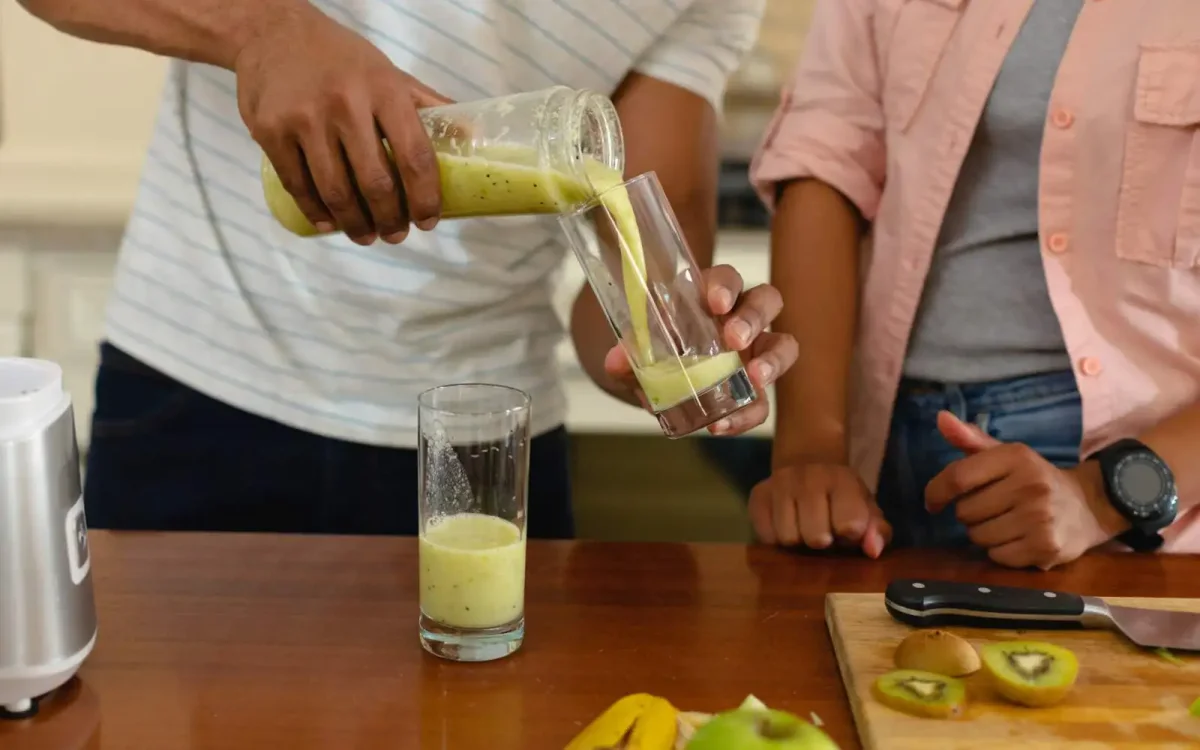
- Fruit and vegetable smoothies
- Fruit juices or juice blends
- Oat or banana smoothies (for more calories)
Typical use: Quick energy and taste variety, though pure juice diets may be low in protein and fat.
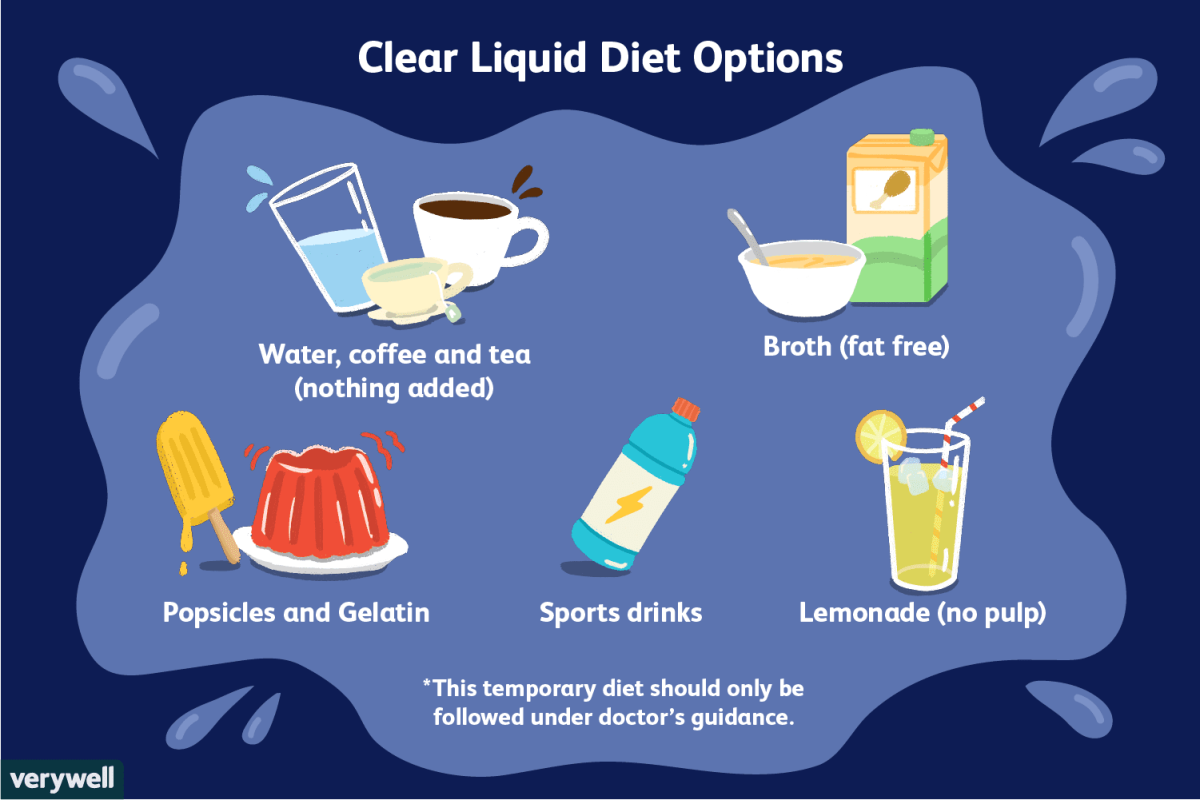
- Hydration-focused liquids
- Water (still or sparkling)
- Herbal tea, black coffee (no or minimal sugar/cream)
- Electrolyte drinks or low‑sugar sports drinks
- Clear broth (chicken, beef, vegetable)
Typical use: Combat hunger, headaches, and dizziness; support fluid and electrolyte balance.
- Fat-containing liquids
- Smoothies with nut butter, avocado, or coconut milk
- Milk-based shakes
- “Bulletproof” coffee (coffee with added fats) – more niche
Typical use: Increase calories and satiety, especially for people prone to blood sugar dips.
How you combine these drinks—and how many calories and grams of protein you get—has a huge impact on your results and how you feel.
Realistic 7-Day Liquid Diet Weight Loss Results
The numbers people share online range wildly—some claim they lost 3 pounds, others say 15. So what’s realistic for most?
Weight loss expectations in 7 days
Based on clinical data on very‑low‑calorie diets and real‑world reports from forums and weight‑loss programs, these ranges are fairly typical for a one‑week liquid diet:
- Common range: about 3–8 lbs (1.4–3.6 kg) in a week
- Lower end (2–4 lbs): if calories stay closer to 1200–1400 or you’re already lean
- Higher end (8+ lbs): more common in people starting at a higher weight, or on very low intake (often <800 calories)
However—and this part often gets glossed over—a lot of that early drop is water and glycogen, not pure body fat.
What actually makes up those first 7 days of “loss”?
- Water weight: Cutting carbs and salt, plus eating less food volume, may lead to a rapid drop in retained water, especially in the first 2–4 days.
- Glycogen: Your muscles and liver store carbs as glycogen, which holds water. When you eat less, those stores shrink.
- Some body fat: Especially if you maintain enough protein and keep calories consistently low.
- Possible muscle loss: If protein is too low or you’re doing extreme exercise on top of low calories, some of that “weight loss” may be lean tissue.
That’s why many people notice the scale jump back up 2–4 pounds as soon as they return to their usual way of eating. It’s not necessarily “rebound fat”—often it’s just your body refilling its normal stores.
Before and after: how do people say they feel?
From reading hundred-plus personal stories on Reddit threads and in YouTube comments, a common 7‑day pattern looks like this:
- Days 1–2: Excitement, then headaches, grumpiness, and carb cravings. Some describe feeling “foggy” or chilled.
- Days 3–4: Hunger may stabilize a bit; people often feel lighter and less bloated, but energy can still be uneven.
- Days 5–7: Some report a sense of control and pride, others feel burned out and count hours until they can chew food again.
Most don’t describe the week as a scam—but many say it was harder than expected and the results were less magical and less permanent than the promos implied.

Sample 7-Day Liquid Diet Structure and Use Cases
This isn’t a prescription, but it can help to see what a more structured version might look like. Always talk to a healthcare professional if you have any medical conditions, take medications, or have a history of disordered eating.
Common use cases
- Pre-surgery preparation (e.g., bariatric surgery): supervised, nutritionally balanced, often higher in protein.
- Short “reset” week after a period of overeating: usually self‑directed, used as a psychological breakpoint.
- Jump-start for a longer weight‑loss journey: some use it as a one‑week “on‑ramp” into a more sustainable plan (like a high‑protein, calorie‑controlled diet).
Example daily structure (balanced liquid approach)
Approx. 1000–1200 calories, depending on portions
- Morning
- Water with electrolytes
- Protein shake (20–30 g protein)
- Black coffee or tea (optional)
- Mid‑morning
- Green smoothie (fruit + greens + protein powder)
- Lunch
- Meal replacement shake (balanced macros, vitamins, minerals)
- Broth (for warmth and extra sodium if needed)
- Afternoon
- Herbal tea
- Yogurt‑based smoothie or another protein shake
- Evening
- Blended vegetable soup or broth‑based pureed soup
- Water or herbal tea before bed
Some people keep it much stricter (only clear liquids), others are a bit more flexible (allowing blended soups or pureed oats). The stricter you are, the more intense the hunger and side effects may feel.

7-Day Liquid Diet vs Other Short-Term Approaches
To put those results in context, here’s how a 7‑day liquid diet compares with a simple calorie‑controlled diet and an intermittent fasting week.
| Approach (7 days) | Typical Intake | Realistic Weight Loss | Pros | Cons |
|---|---|---|---|---|
| Liquid diet (balanced, ~1000–1200 kcal) | Mostly shakes, smoothies, soups, broths | ~3–8 lbs (mixed water, glycogen, fat) | Simple, no decisions about solid food; fast early drop can feel motivating | Hunger, social isolation, risk of low nutrients if poorly planned, rebound if no follow‑up plan |
| Standard calorie deficit (e.g., 1400–1600 kcal) | Solid meals, more flexible | ~1–3 lbs (more modest, easier to maintain) | More sustainable, includes chewing, easier socially | Slower visible change, may feel less “dramatic” |
| Intermittent fasting (e.g., 16:8, moderate intake) | Eating within an 8‑hour window | ~1–4 lbs depending on deficit | Flexible food choices, easier to integrate long‑term | Morning hunger for some, not inherently low‑calorie unless you manage portions |
The main advantage of a 7‑day liquid diet is not that it burns magic amounts of fat, but that it forces structure and reduces decisions. The downside is that it’s so far from “normal life” that many people struggle to transition back without regaining.
Emotional and Sensory Side of a 7-Day Liquid Diet
Numbers only tell part of the story. The emotional experience might be the part that actually determines whether this is worth it for you.
Common emotional phases people describe
- Initial skepticism and hope: “I don’t know if this is legit, but I need a reset.”
- Frustration with social life: Turning down dinners, explaining your shakes to coworkers, or sitting at a restaurant with only tea.
- Unexpected pride: Seeing the scale move quickly can feel empowering, especially if you’ve felt stuck for a long time.
- Fear of going back to normal eating: Many people feel a sense of “If I eat real food again, will it all come back?”
What it feels like physically
Not everyone experiences all of these, but common sensations mentioned in real‑world reviews include:
- Cold hands and feet from fewer calories
- Bad breath if you drift toward ketosis
- Headaches or lightheadedness, especially if electrolytes are low
- Stronger awareness of hunger cues—some people learn a lot about emotional vs physical hunger during this experiment
For some, that heightened awareness becomes a positive lesson: they realize how often they were eating out of boredom or stress. For others, it can trigger anxiety or obsessive thinking about food, which is an important red flag.
Is a 7-Day Liquid Diet Safe or a Scam?
“Scam” is a strong word. The basic idea—restrict calories with liquids for a short time—isn’t inherently fake. People do lose weight. The more nuanced question is: is it appropriate, safe, and useful for you?
When a 7-day liquid diet may be especially risky
It’s important to be cautious or avoid this type of plan if you:
- Have diabetes or blood sugar issues (liquid carbs can spike and crash glucose)
- Take medications that rely on food intake for absorption or to prevent stomach upset
- Have a history of eating disorders or disordered eating patterns
- Are pregnant, breastfeeding, or recovering from major illness
- Are an athlete in heavy training or have a physically demanding job
Short bouts of very low intake can also contribute to electrolyte imbalances in some people, which is why medically supervised programs monitor labs and adjust supplements.
Red flags in commercial “liquid detox” programs
When you’re evaluating any plan, watch for:
- Absolute promises: “Guaranteed 10 pounds in 7 days,” “permanent weight loss,” “cures all gut issues.”
- Overpriced “special” juices or teas that claim to “melt fat” or “detox your organs.” Your liver and kidneys already handle detox, unless they’re medically compromised.
- No mention of protein, vitamins, or minerals: A week of sugary juices with no protein is hard on muscle and hunger levels.
- Pressure tactics: “Only today,” “limited spots,” “everyone who commits loses at least X pounds.”
Most responsible clinicians and dietitians frame liquid diets as short‑term tools with clear limits, not miracle fixes.
How to Make a Short Liquid Diet Less Harmful (If You Still Want to Try)
If you’ve considered the downsides and still feel drawn to a 7‑day experiment, a few guardrails may make it safer and more informative.
1. Set a clear purpose that’s not just “be smaller in 7 days”
Helpful intentions might sound like:
- “Use this week to reset my late‑night takeout habit and plan what I’ll do afterward.”
- “Experiment with lower sugar and higher protein to see how my energy responds.”
A vague goal like “I just want to lose as much as possible” tends to push people toward extremes that are harder to recover from.
2. Prioritize protein and electrolytes
- Aim for at least 60–80 g of protein daily (more if you’re heavier or active), spread across shakes and smoothies.
- Consider electrolytes (sodium, potassium, magnesium) via broths or balanced electrolyte powder, especially if you’re drinking a lot of plain water and feeling lightheaded.
3. Plan your “re-entry” before you start
What you do on day 8–14 might matter more than days 1–7. Many people regain because they swing straight from liquids to pizza. A gentler plan could be:
- Days 8–9: Add soft, high‑protein foods (eggs, Greek yogurt, soft tofu, tender fish) while keeping some shakes.
- Days 10–14: Shift to 2–3 solid meals with one shake, focus on lean protein, vegetables, and moderate carbs.
This helps your digestion adjust and gives your mind time to move from “diet mode” to “new normal.”
4. Monitor how you actually feel, not just the scale
Keep a simple daily log:
- Energy (1–10)
- Mood (1–10)
- Hunger level (1–10)
- Any dizziness, nausea, or other symptoms
If your energy, mood, or safety starts to tank, that’s valuable data. It’s okay to stop early and pivot to a more sustainable plan; that doesn’t make you weak—it makes you responsive.
Who Actually Benefits from a Short Liquid Diet?
In practice, the people who seem to get the most out of a 7‑day liquid experiment usually share a few traits:
- They treat it as a structured week inside a longer journey, not a one‑time fix.
- They have some support—a clinician, coach, or at least a friend they check in with.
- They’re willing to look honestly at their eating patterns afterward and make incremental shifts.
People who struggle the most tend to go in expecting a miracle, white‑knuckle their way through seven miserable days, and then rebound hard because they never built any skills they can use in real life.
FAQs: Hidden Worries People Have About 7-Day Liquid Diets
Will I just gain everything back after the 7-day liquid diet?
Some regain is very common, especially in the first few days after you return to solid food, because your muscles and liver refill their normal glycogen and water levels. That doesn’t automatically mean you “failed.” What tends to stick is the portion of weight that came from true fat loss—which depends on your overall calorie deficit and activity. If you move into a reasonable, balanced eating pattern afterward, you may keep part of the loss; if you rebound into heavy overeating, more of it may return.
Can a 7-day liquid diet mess up my metabolism?
A single week, by itself, is unlikely to permanently “break” your metabolism, but very low intake can temporarily reduce energy expenditure and leave you feeling sluggish. If you cycle on and off extreme diets frequently, your body may adapt by becoming more efficient, which can make future loss slower. Protecting protein intake, avoiding extreme over‑exercise, and transitioning to a moderate, sustainable plan afterward may help reduce that effect.
What if I get dizzy or feel like fainting during the diet?
Dizziness, racing heart, or feeling close to fainting are signals to take seriously. They can indicate low blood pressure, low blood sugar, dehydration, or electrolyte imbalance. In that situation, it’s wise to pause the diet, hydrate with electrolytes, eat something solid and balanced if needed, and seek medical help—especially if symptoms persist or are severe. Pushing through “because it’s only seven days” may not be worth the risk.
Is a 7-day liquid diet okay if I have PCOS, hypothyroidism, or other hormonal issues?
Hormonal conditions can change how your body responds to calorie restriction. Some people with PCOS or thyroid issues report slower loss or more intense fatigue on aggressive diets. Because medications and hormone levels are involved, it’s safer to discuss any extreme short‑term plan with your doctor or endocrinologist. In many cases, a slightly higher‑calorie, high‑protein, lower‑sugar plan with solid food can be more sustainable and still effective.
How do I know if I’m doing this for the right reasons or for the wrong ones?
There’s no perfect test, but a few questions can help: Are you hoping this week will fix deeper body image pain or relationship issues with food? Are you hiding it from people in your life because you’re afraid they’d worry? Do you feel panicked at the idea of stopping early if you feel unwell? If the answer to any of these is yes, it might be worth talking to a professional (a therapist, dietitian, or doctor) about what’s driving the urge to do something drastic in the first place.
Key Takeaways: What 7 Days of Liquids Can and Cannot Do
- A 7‑day liquid diet can lead to noticeable short‑term weight loss—often 3–8 pounds—but a chunk of that is usually water and glycogen.
- The real experience often includes hunger, social friction, and emotional highs and lows, not just the tidy before‑and‑after pictures you see online.
- It may be riskier for people with medical conditions, complex medication regimens, or a history of disordered eating.
- The long‑term impact depends less on the seven liquid days and more on the weeks that follow—how you transition back to solid food and what habits you build.
- For many people, a moderate, protein‑focused, solid‑food approach can deliver slower but steadier results with less emotional turbulence.
If you’re still curious about trying it, consider using that curiosity as an invitation: what you might really be wanting is a fresh start that feels structured, hopeful, and doable. A 7‑day liquid diet is one way to chase that feeling, but it’s not the only one—and it’s rarely the easiest to live with.
Whatever path you choose, your body will be with you long after any seven‑day experiment. It deserves respect, information, and a plan that supports you not just this week, but in all the weeks to come.
References & Further Reading
- Mayo Clinic – Very low calorie diets
- NIDDK – Choosing a safe and successful weight-loss program
- British Dietetic Association – Very Low Energy Diets
- Harvard T.H. Chan School of Public Health – Healthy weight
- Academy of Nutrition and Dietetics – Fad diets