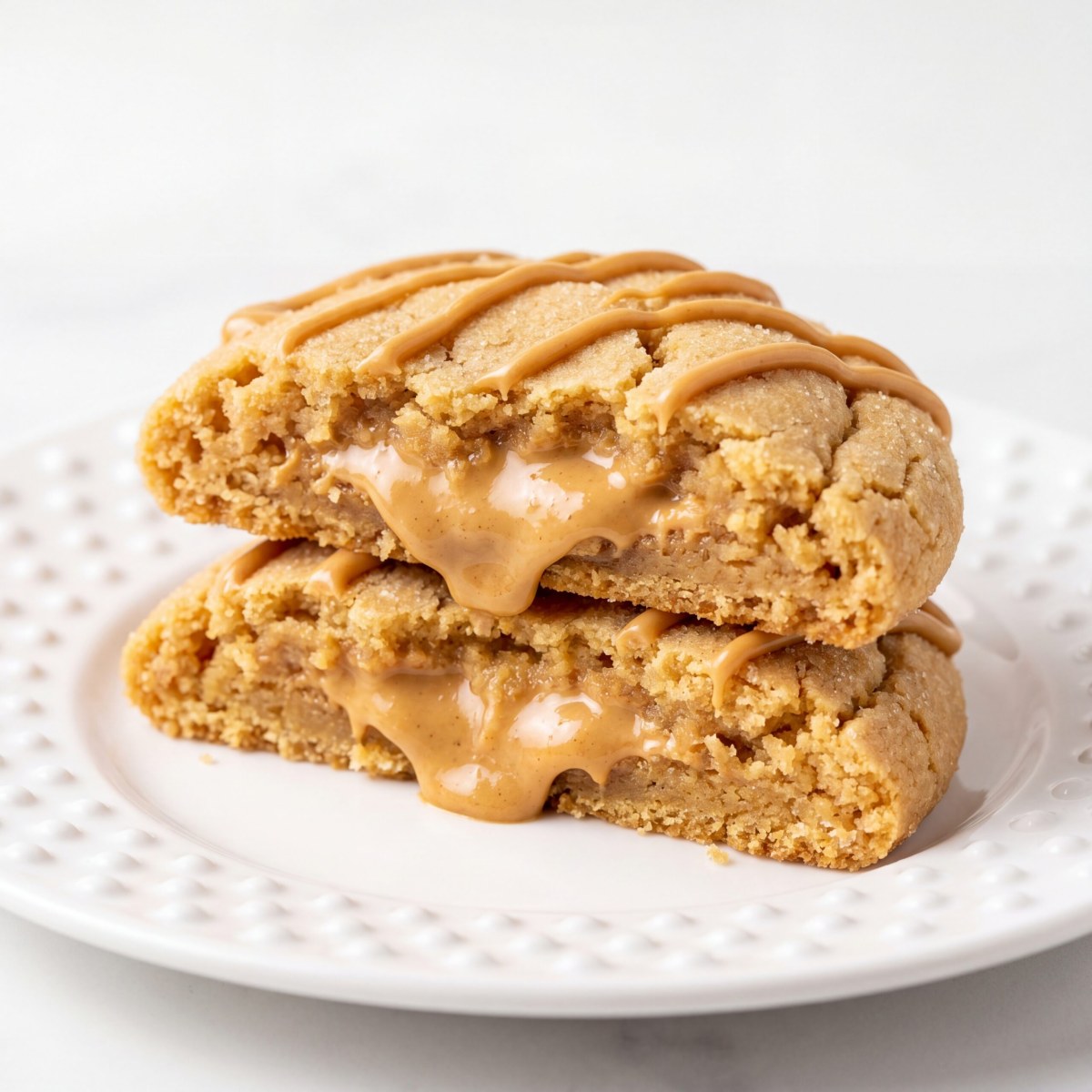
Summary
This butter cookie recipe is intended for home cooks who want a straightforward, small-batch baked cookie using common kitchen equipment.
Suitable For
- Home baking in a standard household oven for everyday snacks.
- Situations where a simple, plain-flavored cookie is preferred over richly decorated desserts.
- People who can use ingredients such as wheat flour, butter, sugar, and eggs in their regular cooking.
Not Suitable For
- People who need to avoid common baking ingredients such as wheat flour, butter, sugar, or eggs in their usual cooking.
- Situations where baking is not possible, such as environments without an oven or where heating equipment is restricted.
- People seeking personalized dietary guidance, medical nutrition planning, or condition-specific meal instructions.
Main Content
Ingredients (Makes about 18–24 small cookies)
- Unsalted butter: 100 g (softened to room temperature)
- Granulated sugar: 60 g
- Egg: 1 small (about 50 g without shell); use only 1 egg yolk if you prefer a richer texture
- All-purpose wheat flour: 150 g
- Salt: 1 pinch (about 1 g)
- Vanilla extract (optional): 1/2 teaspoon
Equipment
- Oven with temperature control
- Mixing bowl
- Hand whisk or electric mixer
- Spatula or spoon
- Kitchen scale or measuring cups/spoons
- Baking tray
- Baking parchment or non-stick baking mat
Step 1 – Prepare Oven and Tray
- Set the oven to 170 °C (340 °F), top and bottom heat if available.
- Line the baking tray with baking parchment or a non-stick baking mat, making sure it lies flat.
- Set the tray aside at room temperature while you prepare the dough.
Step 2 – Cream Butter and Sugar
- Place 100 g softened unsalted butter in the mixing bowl.
- Add 60 g granulated sugar and a pinch of salt.
- Beat with a whisk or mixer for 2–3 minutes until the mixture looks lighter in color and slightly fluffy.
- If using vanilla extract, add 1/2 teaspoon and mix briefly until combined.
Step 3 – Add Egg and Combine
- Crack the egg into a small separate bowl to check for shell pieces.
- Add the egg (or just the yolk) to the butter-sugar mixture in 2–3 portions.
- After each addition, mix until fully incorporated before adding more, scraping the sides of the bowl as needed.
- Continue until the mixture is smooth and uniform with no visible streaks of egg.
Step 4 – Add Flour and Form Dough
- Sift 150 g all-purpose flour directly into the bowl, or add it in 2 portions if sifting is not available.
- Use a spatula or spoon to fold the flour into the wet mixture gently, pressing and turning until no dry flour remains.
- Stop mixing when the dough comes together into a soft, slightly sticky mass that can be shaped.
- If the dough is very soft, place it in the refrigerator for 15–20 minutes to make shaping easier.
Step 5 – Shape Cookies
- Prepare a clean work surface or use the lined baking tray.
- Use a teaspoon to scoop small portions of dough, about 12–15 g each (roughly a rounded teaspoon).
- Roll each portion gently between your palms into a ball, then place it on the baking tray.
- Leave about 3 cm (1–1.5 inches) space between each piece.
- Press each ball lightly with your fingers or the back of a fork to flatten to about 0.8–1 cm thickness.
Step 6 – Bake and Cool
- Place the tray in the preheated oven on the middle rack.
- Bake at 170 °C (340 °F) for about 12–15 minutes, until the edges appear light golden and the surface looks set.
- Remove the tray from the oven and place it on a heat-safe surface.
- Allow the cookies to cool on the tray for 5 minutes, then transfer them carefully to a rack or plate to cool completely at room temperature.
- Store fully cooled cookies in an airtight container at room temperature, in a dry place away from direct sunlight.
FAQ
1. Is this butter cookie recipe suitable for everyone?
No. This recipe uses wheat flour, butter, sugar, and egg, and is intended for general home cooking only. It does not take into account individual dietary needs, medical conditions, or specific professional advice.
2. Can I replace butter with another fat in this recipe?
In everyday home cooking, some people replace butter with margarine or similar baking fats of comparable firmness. Texture and flavor may change. This recipe does not provide guidance on specialized fat substitutes or condition-specific alternatives.
3. Can I use a different type of flour instead of all-purpose wheat flour?
For a basic result, all-purpose wheat flour is used here. Other flours (such as whole-grain or non-wheat flours) may behave differently and can change the dough handling and final texture. This recipe does not cover detailed adjustments for those variations.
4. Is this recipe intended as a special diet or medical plan?
No. This recipe is a general home baking instruction and is not a diet, medical plan, or personalized recommendation. It does not replace advice from qualified health or nutrition professionals.
5. Can I reduce the sugar amount in the dough?
Yes, in everyday cooking some home bakers reduce the sugar slightly (for example by about 10–15 g). The cookies may become less sweet and the texture can change. This adjustment is a taste preference decision, not a health-related recommendation.