If you’ve ever stood in your kitchen, turmeric jar in hand, wondering, “Will this bright yellow powder actually help me lose weight?” you’re not alone.
Maybe you saw a TikTok video about turmeric tea melting belly fat. Maybe a friend started drinking golden milk at night and swears their jeans fit better. Or maybe you’re just tired — tired of complex diets, tired of counting everything, and you’re hoping a small, natural habit might move the needle.
This guide isn’t a miracle-story compilation. It’s a calm, realistic look at what turmeric may do for weight management, what it can’t do, and how people actually feel when they try it for several weeks — including the boredom, the small wins, the bloating, and the “is this doing anything?” phase.
By the end, you’ll know how turmeric fits (or doesn’t fit) into a sustainable weight-loss routine in 2026, plus practical ways to try it safely and notice your own body’s response.
What Turmeric Actually Is (and Why People Connect It to Weight Loss)
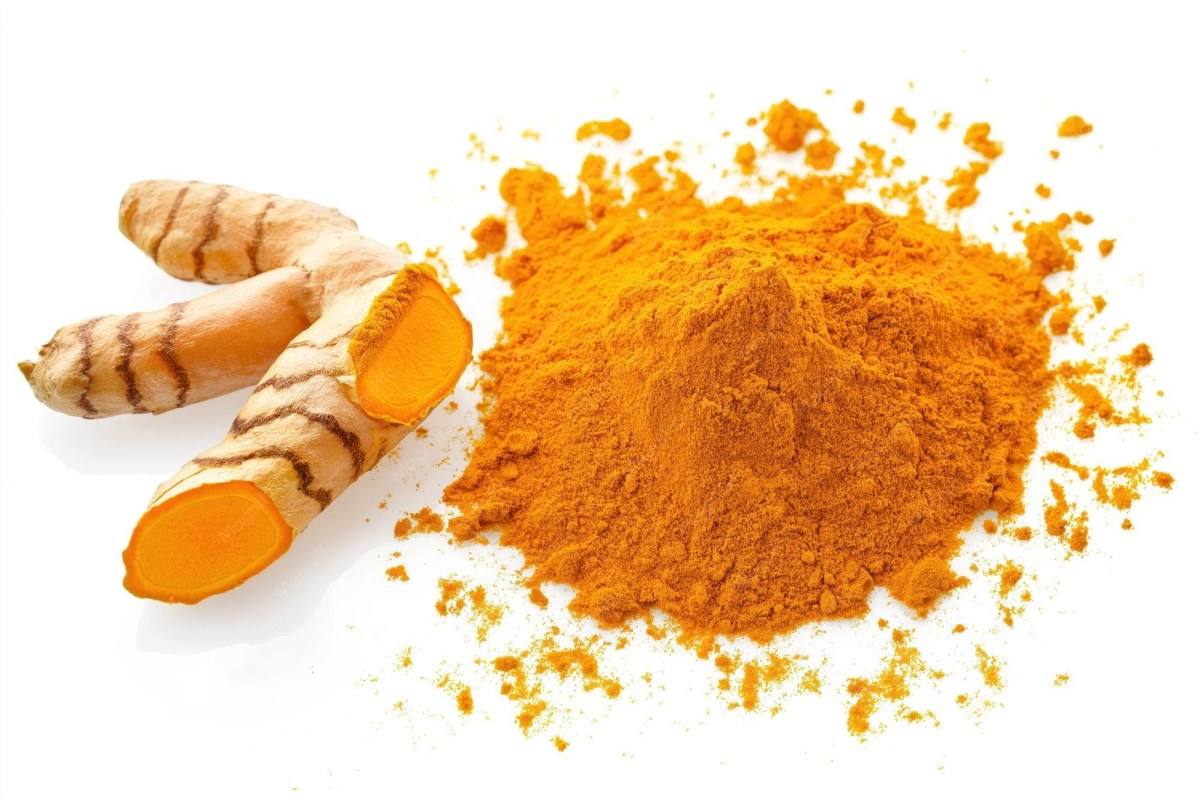
Turmeric is a spice made from the root of the Curcuma longa plant. It’s bright yellow-orange, earthy, slightly bitter, and has been used for centuries in South Asian cooking and traditional medicine.
Its main active compound is called curcumin. Many of the health claims you see online — about inflammation, joints, mood, or weight — are really about curcumin.
When people ask, “Will turmeric help you lose weight?” they’re usually asking one of these quieter questions:
- Can turmeric reduce stubborn belly fat?
- Will turmeric tea before bed help with cravings?
- Is a turmeric shot in the morning better than coffee for metabolism?
- Are turmeric gummies or capsules worth the money?
Early research and many user stories suggest turmeric may support weight management through a few mechanisms. But it doesn’t work like a fat-burning switch. It’s more like a background helper, especially when you’re already making changes to food, movement, sleep, and stress.
How Turmeric May Affect Weight: What the Science Suggests
Instead of promising magic, let’s quietly walk through how turmeric may interact with your body in ways that relate to weight.
1. Inflammation and Weight
Many people living with overweight or obesity have higher levels of low-grade, chronic inflammation. Some studies have explored whether curcumin can reduce certain inflammatory markers in the body. Lower inflammation, in theory, might make it easier to manage weight, blood sugar, and energy levels.
Some small human trials have found that curcumin supplementation is associated with modest reductions in body weight, BMI, or waist circumference, especially when combined with calorie control or lifestyle changes. The effects are usually small rather than dramatic.
2. Insulin Sensitivity and Blood Sugar
Early research suggests that curcumin may support healthier blood sugar responses and insulin sensitivity in some people. Better blood sugar control can sometimes mean:
- Fewer intense sugar crashes
- More stable energy through the day
- Potentially fewer “I’m starving, give me anything now” moments
For some, this indirectly makes it easier to stick to a balanced eating pattern.
3. Appetite, Cravings, and Mindless Snacking
There isn’t strong evidence that turmeric directly shuts down appetite. But here’s what some people describe after a few weeks of turmeric tea or supplements:
- A slightly calmer feeling around food at night
- Less bloating after big meals
- A small reduction in sugar cravings when combined with higher-protein meals
It’s hard to separate what comes from turmeric and what comes from better routines (like having a warm drink instead of late-night snacking), but for some, the ritual itself becomes a helpful anchor.
4. Gut Health and Bloating
Turmeric appears to interact with the gut in complex ways. Some studies suggest it may support a healthier gut environment, but effects vary widely between individuals.
Real-world experiences are a mix:
- Some people report less bloating after meals.
- Others notice mild stomach discomfort or loose stools, especially with higher doses or taking it on an empty stomach.
So if you try turmeric for weight loss, your digestives cues — gas, bloating, bathroom habits — are worth watching as much as the scale.

Realistic Expectations: What Turmeric Will & Won’t Do for Weight Loss
To keep things honest, here’s a direct comparison.
| What Turmeric May Help With | What Turmeric Will Not Do |
|---|---|
| Modest support for inflammation management when used regularly | Instant fat burning or overnight weight loss |
| Slight improvements in metabolic markers in some people (e.g., blood sugar) | Let you ignore nutrition, movement, sleep, and stress |
| A calming nightly ritual that replaces snacking for some | Completely erase cravings or emotional eating |
| Small changes in bloating or digestion, especially with other healthy habits | Guarantee visible “before and after” body changes on its own |
| A sense of control: one simple daily habit you can stick to | Fix deep-rooted issues like chronic sleep deprivation or high stress |
The pattern is clear: turmeric tends to support other efforts; it doesn’t replace them.
Turmeric Drinks for Weight Loss: Types, Structure, and When People Use Them
Most people don’t just eat spoonfuls of turmeric powder. They build simple rituals around it — often drinks. Here’s a structured overview of common options and how they fit into real daily life.
1. Morning Turmeric Lemon Water
Typical structure:
- Warm water
- 1/4–1/2 teaspoon ground turmeric (or a small piece of fresh turmeric, grated)
- Juice of 1/2 lemon
- A pinch of black pepper (to enhance curcumin absorption)
- Optional: a bit of honey or ginger
Common use scene: You wake up, feel groggy, and instead of going straight to coffee, you drink this first. Some people use it as a gentle “reset” before breakfast, especially when they’re trying to cut back on sugary morning drinks.
What people often report:
- Feeling more hydrated and a bit lighter in the stomach
- A small mental cue: “Today I’m doing something good for myself”
- Occasional mild nausea if taken on a totally empty stomach
2. Golden Milk (Turmeric Latte) at Night
Typical structure:
- Milk or plant milk (oat, almond, soy)
- 1/2 teaspoon turmeric
- A pinch of black pepper
- Optional: cinnamon, ginger, cardamom, vanilla
- Optional: small amount of honey or maple syrup
Common use scene: This often replaces dessert or late-night snacks. You’re scrolling on your phone at 10 p.m., craving chips, and instead you make a warm cup of golden milk. It becomes part of your wind-down routine.
What people often report:
- Less urge to snack while watching TV
- A comforting feeling that helps them transition to sleep
- Concerns about calories from milk and sweetener — which matter if you’re already eating enough
3. Turmeric-Ginger Detox Tea (Midday or Evening)
Typical structure:
- Hot water or herbal tea base
- Fresh ginger slices or ginger tea bag
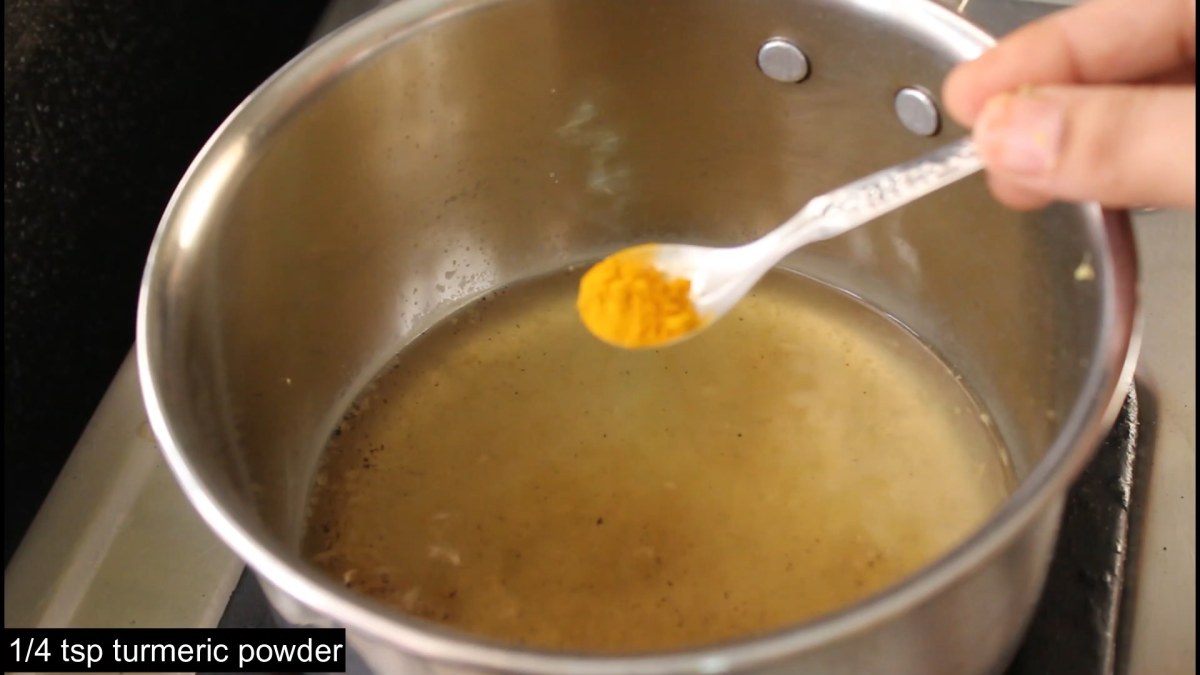
- 1/4 teaspoon turmeric powder
- Lemon slice
- Optional: honey
Common use scene: People drink this at that 3 p.m. slump instead of another coffee, or after a heavy meal when they feel bloated.
What people often report:
- Warmth in the stomach and a slight digestion boost
- A psychological “clean slate” after overeating
- Some heartburn in those prone to reflux, especially with ginger
4. Turmeric Shots or Juices
Typical structure:
- Small shot glass amount of juice (often orange, carrot, or lemon)
- 1/4–1/2 teaspoon turmeric or fresh turmeric juice
- Black pepper, sometimes cayenne pepper
Common use scene: Quick morning ritual; some people take it like a health “espresso shot.” Often seen on Instagram and TikTok.
What people often report:
- A strong, spicy kick that makes them feel “awake”
- Good as a symbolic fresh-start habit
- Can be harsh on the stomach for some, especially on an empty stomach

How Long Before You Notice Anything? (4–8 Week Timeline)
One problem with many turmeric “before and after” stories is that they skip the messy middle: the weeks where you’re just… waiting.
Here’s a realistic, generalized timeline some people experience when they consistently take turmeric (as a drink or supplement) alongside a reasonable diet and some movement:
Week 1–2: The Doubt Phase
- You might notice nothing on the scale.
- You may feel slightly less bloated or more regular — or mildly gassy, if your gut is sensitive.
- The main win here is routine: remembering to take it daily.
Emotionally, this is when people start to ask, “Is this doing anything or am I just staining my mugs for no reason?” Doubt is normal.
Week 3–4: Subtle Shifts
- If turmeric suits you, bloating may be a bit better, especially after heavy meals.
- Some people describe more stable energy and fewer intense crashes.
- If you use a nightly drink instead of dessert, your overall calorie intake might gently drop.
On the scale, changes (if any) are usually small — maybe 0.5–2 kg over a month, typically tied to overall lifestyle shifts, not turmeric alone.
Week 5–8: Accumulated Effects
- Habits feel more automatic; you don’t think much about making your drink.
- You may notice your clothes fitting slightly differently, or less puffiness.
- The mental shift — feeling like a “person who takes care of their body” — can make other good choices easier.
If there are no noticeable benefits after 6–8 weeks (and especially if you have side effects), many people decide to stop and pivot to other strategies. That’s a valid, rational choice.
Supplements vs. Kitchen Turmeric: Which Is Better for Weight Loss?
Another common question is whether to rely on supplements (capsules, gummies) or simple food-based turmeric. Each has pros and cons.
| Option | Pros | Cons |
|---|---|---|
| Turmeric powder in food/drinks |
|
|
| Curcumin capsules (often with black pepper or special formulations) |
|
|
| Turmeric gummies/shots |
|
|
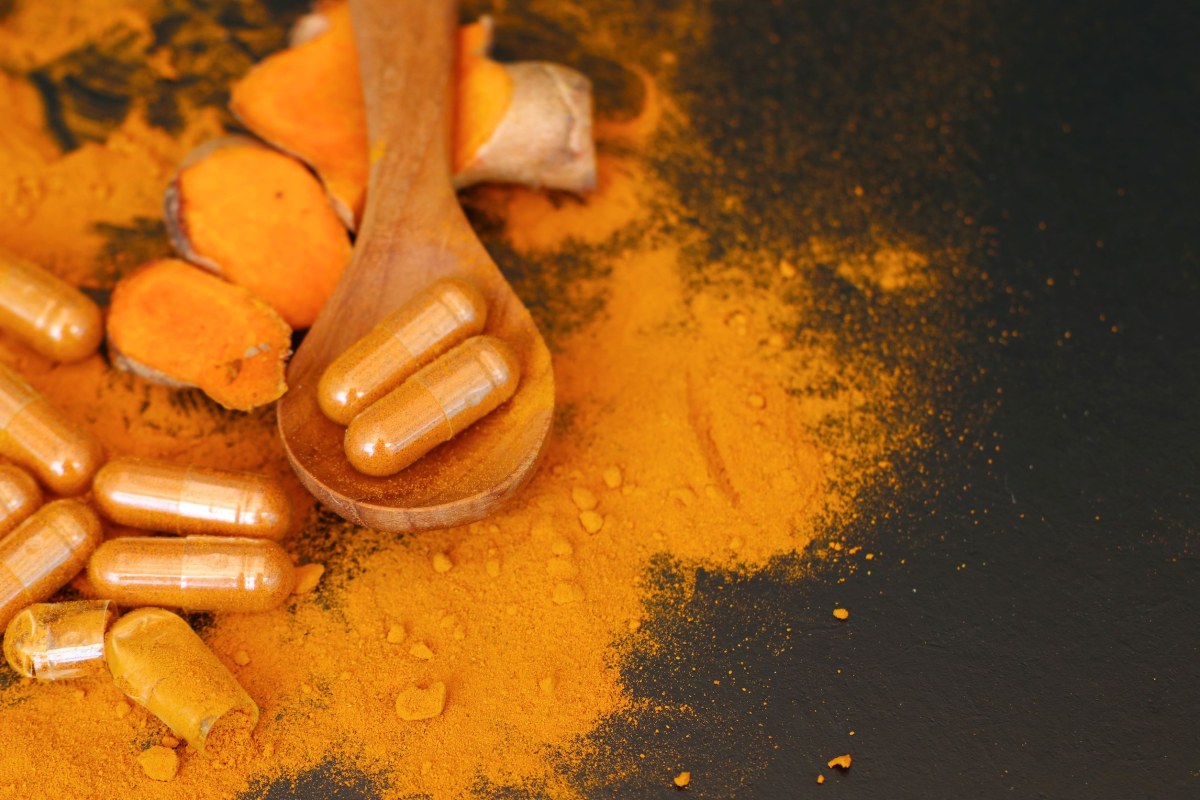
For weight management, many people start with food-based turmeric drinks because they’re low-risk, inexpensive, and naturally tie into other health habits (like setting a regular bedtime). Supplements may be considered if you’re targeting inflammation under medical guidance.
Common Complaints, Scams, and “Too Good to Be True” Claims
Searches like “turmeric weight loss scam” and “turmeric reviews complaints” exist for a reason. People are tired of being sold miracles.
Red Flags to Watch For
- “Lose 10 kg in 10 days” claims: These are not supported by credible research.
- No mention of lifestyle: If a product says you don’t need to change your diet or activity at all, be cautious.
- Hidden proprietary blends: If you can’t see how much curcumin is actually in a capsule, it’s hard to judge value.
- Only 5-star “miracle” reviews: Balanced reviews usually include mixed experiences and mild side effects.
Realistic User Experiences
Across forums and social platforms, experiences are varied:
- Positive but modest: “My inflammation feels better, and I’ve lost a bit of weight because I’m more consistent with healthy habits.”
- Neutral: “It tastes nice in tea, but I didn’t notice much change in my weight after two months.”
- Negative: “It upset my stomach” or “Did nothing at all, felt like I wasted money.”
The pattern again: turmeric can be one helpful piece, but usually not the main driver of dramatic results.
Who Should Be Careful with Turmeric?
Natural does not automatically mean “safe for everyone, in any amount.” Talk with a healthcare professional before using turmeric regularly for weight loss if you:
- Take blood thinners (like warfarin) or have a bleeding disorder
- Have gallbladder disease or bile duct obstruction
- Are pregnant, trying to conceive, or breastfeeding
- Take medications that affect blood sugar or stomach acid
Even if you’re generally healthy, starting with small amounts and paying attention to your body is wise.
A Gentle, Real-World Way to Try Turmeric for Weight Management
If you’re curious, here’s a simple 4-week experiment you can run on yourself — without turning your life upside down.
Step 1: Pick One Ritual, Not Five
Choose one of these to do consistently:
- Morning: Turmeric lemon water before breakfast
- Night: Golden milk instead of dessert or late-night snacks
- Midday: Turmeric-ginger tea at the 3 p.m. slump instead of sugary snacks
Step 2: Keep the Dose Modest
For most people, 1/4–1/2 teaspoon of turmeric powder once or twice a day is a common starting point in food or drinks. Combine it with a little fat (like milk or plant milk) and a pinch of black pepper to help absorption.
Step 3: Track Sensations, Not Just the Scale
In a small notebook or app, note:
- Energy levels throughout the day
- Craving intensity at night
- Bloating, gas, or discomfort
- Sleep quality
- Clothing fit and body comfort
The scale can be one data point, but it doesn’t tell the whole story.
Step 4: Pair It with One Other Gentle Change
Instead of overhauling everything, add just one more habit:
- Walking 10–20 minutes after one meal
- Adding protein to your breakfast
- Setting a consistent bedtime
You’re not testing turmeric in a vacuum; you’re testing how it fits into a realistic lifestyle.
Step 5: Reevaluate After 4–6 Weeks
Ask yourself honestly:
- Do I feel even slightly better in my body?
- Is this ritual easy enough to keep?
- Is my digestion, sleep, or craving pattern any different?
If the answer is mostly “yes,” you may choose to keep turmeric as a small long-term ally. If the answer is “not really,” it’s okay to let it go and focus your energy elsewhere.

FAQ
Is turmeric alone enough to lose belly fat?
Turmeric by itself is unlikely to significantly reduce belly fat. Some early studies and user reports suggest it may support metabolic health and inflammation, which can make weight management easier when combined with changes in diet, movement, sleep, and stress. Most noticeable belly fat changes come from overall calorie balance and lifestyle, not from one ingredient.
Should I drink turmeric before bed or in the morning for weight loss?
Both times can work, depending on your habits. Morning turmeric drinks may help you start the day with a mindful choice and replace sugary beverages. Nighttime golden milk can help some people skip dessert or late-night snacks. Choose the time that realistically fits your life and addresses your toughest moments (for many, that’s the evening).
What if turmeric upsets my stomach?
Some people experience nausea, reflux, or loose stools with turmeric, especially at higher doses or on an empty stomach. If this happens, try lowering the amount, taking it with food, or switching from shots to gentler drinks like golden milk. If discomfort continues, it’s reasonable to stop and speak with a healthcare provider.
Do I need black pepper with turmeric for weight loss benefits?
Black pepper contains piperine, which can increase curcumin absorption. Many studies use turmeric or curcumin combined with piperine. While we don’t have precise real-world “weight loss dose” data, adding a small pinch of black pepper to your turmeric drinks or meals is a simple way to potentially support absorption for most people who tolerate pepper well.
How long should I take turmeric before deciding if it works for me?
A 4–8 week trial is a reasonable window. During that time, watch for changes in digestion, cravings, energy, and how your clothes fit, not just the number on the scale. If you see no benefit or experience side effects after several weeks, it may not be the right tool for you, and that’s okay.
Key Takeaways: Where Turmeric Fits in Your Weight-Loss Story
Turmeric is not a scam — but it’s also not magic. In 2026, the most grounded way to view it is as a gentle support tool:
- It may modestly help with inflammation and metabolic health for some people.
- It works best as part of an overall routine, not as the star of the show.
- Turmeric drinks can become comforting rituals that replace less helpful habits.
- Experiences vary: some feel real benefits, others notice very little.
If you decide to try turmeric for weight loss, let it be a quiet companion, not a source of pressure. Pay attention, stay curious, and let your own body’s feedback guide what you do next.